How Does Automation Enhance Warehouse Material Handling Efficiency?

Time:2026-04-13 Author:Charlotte
0%

In today's fast-paced logistics environment, the need for efficiency in warehouses is paramount. Businesses are increasingly asking, "how does automation improve warehouse material handling?" This question highlights a significant shift in operations. Automation introduces technologies that streamline tasks, reduce errors, and save time.

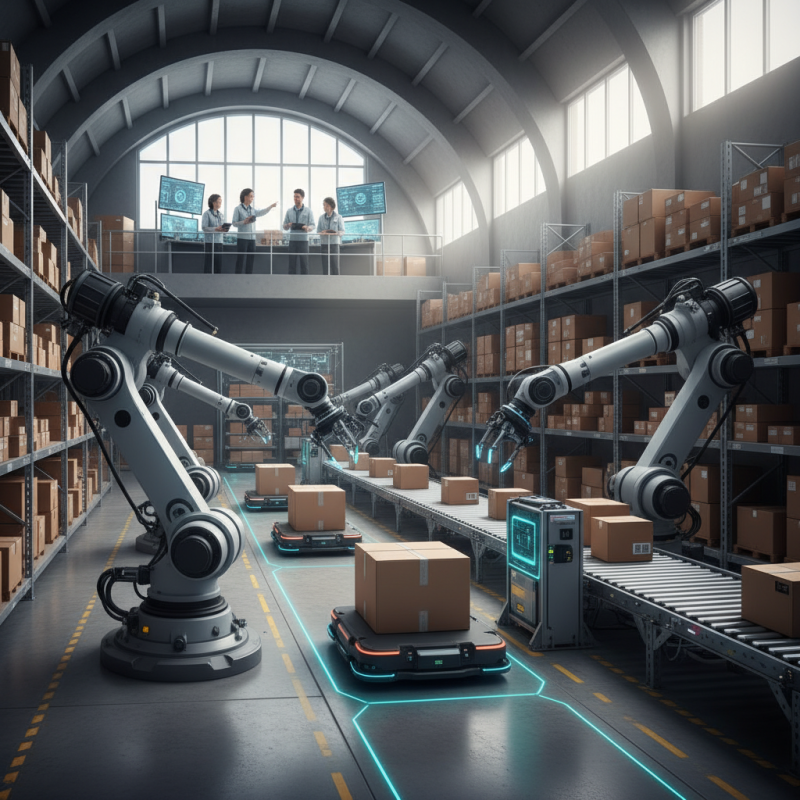
Implementing automated systems can lead to notable benefits. For instance, robotic arms can swiftly pick and place items. This reduces physical strain on workers and minimizes fatigue. Moreover, barcode scanners improve accuracy when tracking inventory. However, these innovations also require investment and careful planning. Not all companies see immediate improvement.

Reflecting on these changes reveals a complex landscape. While automation offers advantages, it may also disrupt established workflows. Transitional phases can be challenging, and some employees might resist new technologies. Therefore, balancing automation with human oversight is crucial. Embracing these changes demands not just technology but also training and adaptation for workers.
How Does Automation Enhance Warehouse Material Handling Efficiency?

Understanding the Role of Automation in Warehouse Operations

Automation is transforming warehouse operations, enhancing efficiency in material handling significantly. According to a 2023 report by the Warehousing Education and Research Council, automated systems can reduce labor costs by up to 30%. This decrease is largely due to less reliance on manual labor for routine tasks like sorting and picking.

Automated guided vehicles (AGVs) and robotics streamline workflows, minimizing human error. A case study from McKinsey indicates that warehouses utilizing automation can process orders 50% faster than those without. However, implementing these technologies comes with challenges. One common issue is the integration of new systems with existing infrastructure. Many warehouses struggle with upfront costs and worker retraining.

While automation offers numerous benefits, it is not a cure-all. Some tasks still require human intervention. The transition to automation demands ongoing assessment of workforce needs. Understanding the balance between technology and human skill remains crucial.

Key Technologies Driving Automation in Material Handling

Automation is transforming warehouse material handling with various advanced technologies. Robotics has taken center stage, allowing for improved speed and accuracy in picking and packing. These machines can work tirelessly, significantly reducing manual labor. Conveyor systems have also evolved, enabling seamless movement of goods within the warehouse.

Moreover, artificial intelligence plays a crucial role. It optimizes inventory management and demand forecasting. AI can analyze vast amounts of data, predicting trends and ensuring the right products are in stock. However, the integration of these technologies is not without challenges. Employees may need retraining to adapt to automated systems.

Despite these difficulties, the benefits are clear. Automation enhances efficiency, reduces errors, and lowers operational costs. Yet, organizations must remain vigilant. Keeping pace with technology is essential, but so is understanding its impact on the workforce. Balancing automation with a skilled workforce requires continuous reflection and adaptation.

How Does Automation Enhance Warehouse Material Handling Efficiency?

This chart illustrates the increase in material handling efficiency in warehouses before and after the implementation of automation technologies. With automation, efficiency can rise from 60% to 90%, showcasing the significant improvements brought about by key technologies in material handling.

Benefits of Automation for Material Handling Efficiency

Automation has revolutionized warehouse material handling efficiency. By integrating advanced technologies, operations become smoother and faster. Automated systems can sort, transport, and store items without human intervention. This reduces operational costs and increases productivity. Workers can focus on more complex tasks, improving overall job satisfaction.

Tips: Invest in training for your team. Familiarity with automation tools enhances their effectiveness. Regularly assess system performance. This helps identify bottlenecks and areas for improvement.

The benefits of automation extend beyond speed. Data tracking becomes seamless with automated solutions. Real-time inventory management leads to fewer errors. Organizations can quickly respond to demand fluctuations, ensuring they don’t overstock or understock items. This adaptability is crucial in a fast-paced market.

Tips: Evaluate your warehouse layout. Optimizing space can maximize the benefits of your automated systems. Gather feedback from employees about the new processes. Their insights can help refine operations and identify potential challenges.

Challenges and Solutions in Implementing Warehouse Automation

Implementing automation in warehouse material handling can significantly improve efficiency. However, challenges often arise during this process. Resistance from employees can be one of the major hurdles. Many workers fear job displacement. Clear communication about the benefits of automation is essential. Training programs can help ease these concerns by enhancing employees' skills.

Another challenge is the high initial investment for automation technology. Companies may hesitate to allocate budgets for new systems. Conducting a thorough cost-benefit analysis can clarify the long-term value of automation. This ensures that businesses make informed decisions.

Tips: Start small with automated solutions. Evaluate their impact before scaling up. Regular maintenance of automated systems is crucial to avoid unexpected downtimes. Foster a culture of adaptability. Encourage employees to view automation as a tool for improving their work, not replacing them. Emphasizing collaboration between humans and machines can lead to a more productive environment.

Future Trends in Automated Warehouse Material Handling

The future of automated warehouse material handling is evolving rapidly. Specialists predict that by 2025, automation will account for 30% of all warehouse operations. Technologies like robotic process automation (RPA) and machine learning are leading this shift, promising increased efficiency. A recent report indicated that companies using automation can reduce operational costs by approximately 20%.


Robots are changing the way warehouses operate. They can perform repetitive tasks, like sorting and picking, more rapidly than humans. However, challenges remain. Integration of new technologies can be complex. Moreover, there are concerns about job displacement. As automation rises, companies must address the reskilling of workers to avoid large-scale unemployment.


Another trend is the use of data analytics. Real-time data helps optimize inventory flow. In 2023, an estimated 70% of warehouse managers reported improved decision-making due to data-driven insights. Yet, reliance on data can also lead to over-dependence. This could create significant risks if systems fail. Balancing automation with human oversight is crucial for sustainable progress.

FAQS

: What are the main benefits of automation in warehouses?

: Automation enhances efficiency, reduces costs, and allows workers to focus on complex tasks.

How can companies prepare employees for automation?

Invest in training programs to improve familiarity with automation tools and ease concerns about job displacement.

What challenges might arise when implementing warehouse automation?

Resistance from employees and high initial investment costs are common challenges to address.

How can companies assess the effectiveness of their automated systems?

Regular performance assessments can help identify bottlenecks and areas needing improvement.

What role does data play in automated material handling?

Data tracking leads to real-time inventory management, reducing errors and optimizing responses to demand changes.

How can warehouse layout impact the success of automation?

An optimized layout maximizes the benefits of automated systems, ensuring efficient space utilization and operations.

What should companies do if they encounter resistance to automation?

Clear communication of automation benefits and fostering a culture of adaptability can help alleviate fears.

Why is it important to balance automation with human oversight?

Over-reliance on automation could lead to risks if systems fail; human input remains essential for decision-making.

How might the future of warehouse automation look by 2025?

Automation may account for 30% of all operations, with increased use of robotics and data analytics enhancing efficiency.

Are there any risks associated with using data analytics in warehouses?

Yes, over-dependence on data could create significant risks if systems fail, thus human insight is still vital.

Conclusion

Automation plays a crucial role in enhancing efficiency in warehouse operations by streamlining material handling processes. Key technologies such as automated guided vehicles (AGVs), robotics, and inventory management systems facilitate faster and more accurate movements of goods. Understanding how these technologies work together allows warehouses to optimize layout and reduce manual labor, resulting in significant productivity gains.

The benefits of automation in warehouse material handling include improved accuracy, reduced operational costs, and enhanced safety for employees. However, challenges such as initial investment costs and the need for staff training must be addressed to ensure successful implementation. Looking ahead, future trends indicate a growing reliance on AI and machine learning to further refine automation processes. Overall, understanding how does automation improve warehouse material handling is essential for businesses seeking to remain competitive in a rapidly evolving market.

Charlotte

Charlotte

Charlotte is a seasoned marketing professional with a deep understanding of the company's portfolio and a passion for elevating its presence in the market. With a keen eye for detail and a commitment to excellence, she ensures that our professional blog is regularly updated with insightful articles......