Choosing construction machinery automation in 2026 requires more than comparing software features. Contractors must examine jobsite conditions, operator skills, machine compatibility, data security, and long-term maintenance. A system that performs well on a controlled test site may struggle in dust, rain, uneven ground, or crowded urban projects. Real experience matters.
So, why is automation important in construction machinery? It can improve operator safety, reduce repetitive movements, support consistent grading, and limit costly rework. It can also help companies manage labor shortages without removing human judgment from the site. Jim Umpleby, Caterpillar’s chairman and CEO, has stated, “Autonomy is a key enabler for our customers to improve safety and productivity.” That principle remains useful, but it needs practical testing.
The best choice may not be the most advanced machine. Sometimes, a semi-automated excavator with clear controls delivers more value than a fully autonomous platform. Buyers should ask how quickly operators can learn the system. They should also check sensor performance, connectivity requirements, software updates, and local service support. Watch the machine work beside a trench. Listen for delayed alerts. Measure its accuracy after several hours, not only during a polished demonstration.
Automation is powerful. It is not magic. Poorly trained teams, weak maintenance plans, or unreliable site data can reduce its benefits. This guide will compare the main automation levels and explain how to select equipment that fits real construction risks, budgets, and workflows.
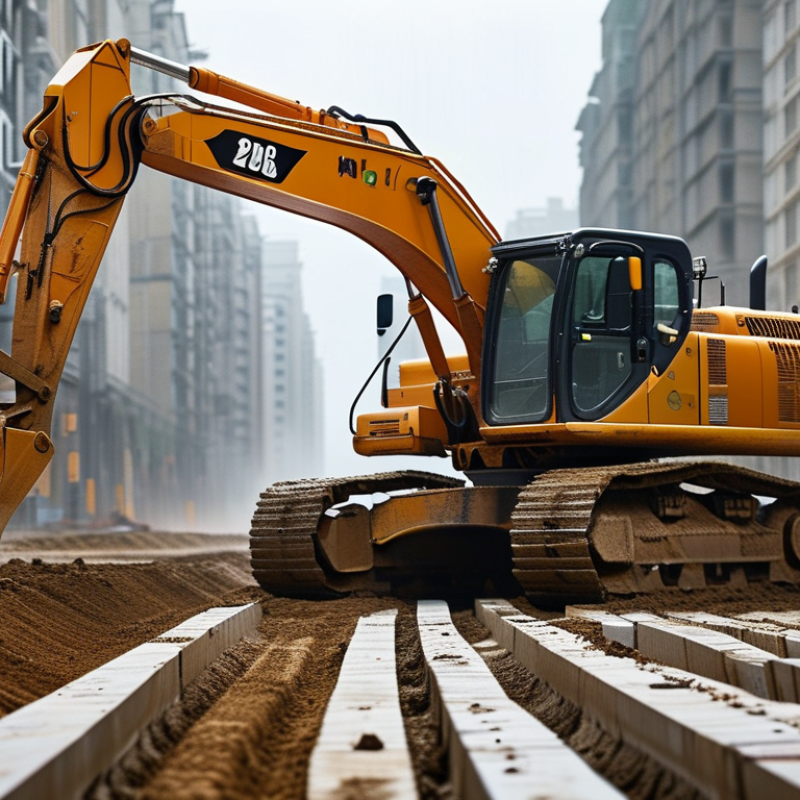
Define your automation goals before comparing equipment. A clear goal might be reducing idle time, improving grading accuracy, or protecting workers near unstable edges. Avoid vague targets such as “increase efficiency.” Measure current fuel use, cycle times, rework, and operator hours. These figures create a reliable baseline.
Operating conditions matter just as much. Record slope angles, ground firmness, dust levels, visibility, weather changes, and daily working hours. A system that performs well on a dry test site may struggle at 6 a.m. in heavy rain.
Check signal coverage, sensor protection, maintenance access, and operator training needs. I have seen project teams underestimate cleaning time. Our first productivity estimate was too optimistic. That mistake changed the equipment selection.
Tips: Start with one measurable task. Test automation during normal shifts. Let experienced operators challenge the plan. Ask how the system reacts when sensors become dirty or positioning data weakens. Review failure records, service procedures, and safety controls before approval. Keep manual operation available where conditions remain uncertain. Automation should support sound decisions, not replace site judgment. Record results weekly, because early data often reveals uncomfortable gaps.
Choosing construction machinery automation in 2026 starts with the machine’s task, not the newest feature. Excavators often benefit from 2D or 3D machine-control systems, which guide bucket depth and slope accuracy. Dozers need precise positioning, especially on large earthworks. Cranes require load monitoring, anti-collision sensors, and controlled movement more than full autonomy. Haul trucks can use geofencing, obstacle detection, and route automation on closed sites. These systems should not be treated as interchangeable.
The International Federation of Robotics reported 541,302 industrial robots installed worldwide in 2023. This shows strong automation momentum, but construction remains less predictable than factory production. A 2024 Deloitte engineering and construction outlook also identifies digital tools and connected equipment as key investment areas. Still, jobsite results vary with dust, uneven ground, satellite visibility, and operator training. That part is often underestimated. A system that performs well on a flat test area may struggle beside a wet trench.
Tips: Match automation to risk and repetition. Choose machine control for repeated grading. Use detection and monitoring for cranes and loaders. Check data ownership, offline operation, calibration needs, and service response before purchase. Ask for measured results, not only demonstrations. Track cycle time, rework, fuel use, and near-miss events for at least one project. Some automation promises remain immature. A careful pilot may reveal that operator workflow matters more than software capability.
In 2026, construction automation should be judged by site conditions, not impressive demonstrations.
Safety comes first. Check emergency stops, obstacle detection, blind-spot alerts, and safe responses when sensors become dirty. A machine should slow down near workers, not merely issue a warning.
Require documented test results, maintenance records, and compliance with applicable safety standards. Safety claims need field evidence.
Accuracy matters when grading roads, digging foundations, or placing materials beside existing structures.
Test the system on uneven ground, poor visibility, and changing weather. Compare digital targets with physical measurements from the same work area. Small errors can become expensive rework.
Yet perfect accuracy is unrealistic. Operators still need practical judgment when plans meet buried obstacles or unstable soil.
Connectivity should remain reliable around concrete walls, metal structures, and temporary networks. Ask how the machine behaves after signal loss. Local controls and safe stop functions are essential.
Review data security, access permissions, software updates, and stored job records.
Operator requirements also deserve direct attention. A complex interface may reduce productivity, even when automation is technically advanced. Let experienced operators test the controls during normal shifts.
Their feedback may expose awkward screens, delayed alerts, or confusing handovers. A pilot will probably reveal gaps. That is useful, not failure.
Choose systems that support training, clear overrides, and honest reporting of limitations.
Choosing construction machinery automation in 2026 requires more than comparing purchase prices. Calculate total ownership cost across at least five years. Include hardware, software, operator training, inspections, connectivity, energy use, repairs, and calibration. A machine costing less initially may require frequent sensor replacement or specialist support.
Use real site records whenever possible. Compare fuel consumption, idle hours, cycle times, rework, and unplanned downtime. For example, reducing idle time by 12% may save more than a small productivity increase. Record the current figures before installation. Without a baseline, claimed benefits become difficult to verify. Some estimates fail.
Implementation risk deserves equal attention. Check whether the system works with existing machines, site networks, and safety procedures. Review data protection, access controls, and local equipment requirements before signing a contract. Plan a controlled pilot on one machine and one typical project zone. Test performance during rain, dust, poor visibility, and weak network coverage. Real sites are rarely clean laboratories.
Training costs are often underestimated. Allow paid time for operators, supervisors, mechanics, and project managers. Define who responds when automation gives an unexpected alert. Keep a manual operating procedure available during software faults or sensor damage. The business case should show optimistic, expected, and conservative results. A useful calculation includes annual savings, added operating costs, implementation costs, and the effect of downtime. Revisit the figures after three and six months, because early productivity gains may not last.
Five-year total ownership cost, measurable benefits, and implementation risk by automation level
Planning benchmark for a mid-size construction machine. Actual costs and benefits vary by machine type, utilization, terrain, labor rates, and project requirements.
Choosing construction machinery automation in 2026 starts with the worksite, not the sales brochure. Define the task, ground conditions, operator skills, and acceptable downtime. A system that performs well on a flat quarry may struggle on a crowded urban project. Review machine compatibility, sensor protection, connectivity, and manual override options. Keep people involved. Automation should support experienced operators, not erase their judgment.
Select two or three suitable systems and test them during normal operations. Use the same excavator, material, and work cycle when comparing results. Measure fuel use, cycle time, positioning accuracy, maintenance interruptions, and operator workload.
Watch the machine at dawn, in dust, and after heavy rain. Small failures matter. A sensor covered with mud can change the entire result. Ask technicians to record every adjustment, even the embarrassing ones.
Test results should guide a controlled rollout. Begin with one machine and one repeatable task. Train operators with practical scenarios, including signal loss and emergency stops. Set clear performance limits before expanding. Review data weekly, but do not trust dashboards blindly; field observations may reveal hidden delays. Scale only when workers, maintenance teams, and managers understand the system. Our early trials often looked successful, yet overlooked cleaning time and software updates. That mistake still deserves attention.
Choose one measurable task, such as reducing idle time or improving grading accuracy. Record fuel use, cycle times, rework, and operator hours. Avoid vague goals like “increase efficiency.”
Measure slopes, ground firmness, dust, visibility, weather, signal coverage, and working hours. Check cleaning needs and maintenance access. Test it wet.
Excavators often benefit from depth and slope guidance. Dozers need accurate positioning across large earthwork areas. Match the system to repeated tasks, not fashionable features.
Cranes need load monitoring, anti-collision detection, and controlled movement. Haul trucks may use geofencing, obstacle detection, and route automation on closed sites. They are not interchangeable.
Test emergency stops, obstacle detection, blind-spot alerts, and sensor failure responses. The machine should slow near workers, not only issue warnings. Keep manual control.
Compare digital targets with physical measurements from the same area. Test uneven ground, poor visibility, rain, and changing soil conditions. Small errors can create costly rework.
Ask whether the machine stops safely or switches to local controls. Review offline operation, signal loss behavior, access permissions, and stored records. Weak signals matter.
Let experienced operators test controls during normal shifts. Watch for delayed alerts, confusing handovers, and awkward screens. Technical capability alone may not improve productivity.
A pilot reveals cleaning time, workflow problems, and unexpected accuracy gaps. Track results weekly. Our early estimate was too optimistic, and that matters.
Choosing construction machinery automation in 2026 begins with clearly defining project goals, working conditions, machine types, and operator needs. Contractors should determine whether they want to improve productivity, reduce rework, enhance safety, manage labor shortages, or achieve more consistent results. The answer to “why is automation important in construction machinery” lies in its ability to support safer operations, greater precision, better data use, and more predictable project performance. Different equipment may require different solutions, from guidance and positioning tools to semi-automated control and remote monitoring.
A practical selection process should compare system compatibility, accuracy, connectivity, ease of use, and performance in real site conditions. Total ownership costs must include installation, training, maintenance, software, downtime, and possible upgrades, while benefits should be measured through productivity gains, reduced material waste, and improved quality. Before full deployment, teams should test the chosen system on a representative project, collect operator feedback, assess implementation risks, and refine procedures. A phased rollout can then help scale automation responsibly and achieve long-term value.

Aero Tech