Moving a massive steel beam is not simply a test of engine power. It is a carefully controlled process involving machines, operators, ground conditions, and clear communication. When a crawler crane lifts, its tracks spread weight across the soil. A wheel loader depends on stable tires, balanced forks, and a known center of gravity. Small errors can create serious movement.
So, how do heavy machines handle large loads safely? They combine engineering controls with disciplined working practices. Load charts define safe capacity at specific boom angles, radii, and heights. Hydraulic systems must respond smoothly, while brakes, hooks, chains, and lifting points require regular inspection. Outriggers need firm support. Uneven ground can change everything.
Experience matters. Skilled operators read the load before it leaves the ground. They watch for swinging, shifting, tire compression, and unusual hydraulic sounds. Spotters use agreed hand signals or radios. Barricades keep unnecessary people away. Wind is also important, especially when a wide panel acts like a sail.
The safest teams do not rely on confidence alone. They check maintenance records, confirm the load weight, and rehearse the lifting path. A rushed checklist can miss a damaged sling. That weakness deserves attention. No system is perfect, and site conditions can change within minutes. The following ten methods explain how heavy equipment manages large loads while reducing preventable risks, protecting workers, and supporting reliable operations. Each method connects practical experience with manufacturer guidance and documented inspection habits. Safety starts before the engine turns.
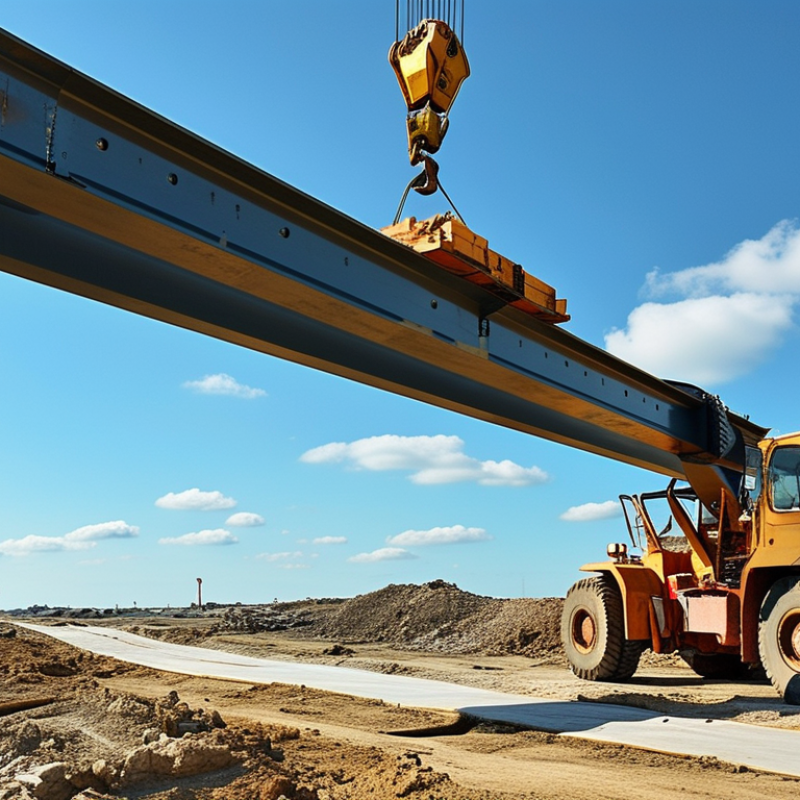
Before heavy lifting begins, safe load handling starts with accurate assessment, not machine size alone. Confirm the load’s weight, dimensions, center of gravity, lifting points, and possible fluid movement. Review drawings, previous lift records, and the equipment’s rated capacity at the planned radius. A small radius change can reduce capacity sharply. Measure ground strength and slope, then select suitable mats or supports. Check overhead obstructions, underground services, wind, visibility, and nearby traffic. Use a written lift plan with clear responsibilities and emergency actions. A qualified person should verify calculations and inspect slings, shackles, hooks, and brakes.
Before the main lift, conduct a controlled test lift a few inches above the ground. Watch for tilting, shifting, unstable supports, or unusual noise. Stop when conditions differ from the plan. Keep nonessential workers outside the exclusion zone, and use one agreed signal system. Radio communication helps, but direct sight remains valuable. Recheck weather throughout the operation. In practice, plans sometimes miss small details. A load may look simple, yet its center of gravity can surprise the crew. Any change should be reviewed, recorded, and approved before movement continues.
Tips: Weigh uncertain loads. Mark the center of gravity. Use short, clear commands. Photograph the setup before lifting. Never rely on guesswork, even for familiar loads.
Heavy machinery handles large loads safely when selection matches the job. Check the load chart, lift radius, boom angle, attachment, and ground conditions.
Rated capacity is not a target to exceed. It is a strict working limit. Choose equipment with suitable power, reach, stability, and control. A larger machine is not always safer. Its weight may damage weak surfaces.
Confirm the load’s weight from reliable records, not rough guesses. Identify the center of gravity before lifting. Secure loose parts and protect fragile contact points. Keep the load low during travel.
Load distribution matters throughout the operation. Place outriggers on firm, level support, using approved pads when needed. Balance the load across forks, slings, hooks, or platforms. Uneven pressure can cause tipping, bending, or sudden movement.
Inspect lifting gear for cuts, distortion, corrosion, and missing identification. Keep workers outside the swing radius and never beneath a suspended load. Use one trained signal person when visibility is limited.
Stop the lift if wind, rain, or poor lighting changes control. Small delays are cheaper than damaged equipment.
Tips: Measure twice, lift once. Mark the load’s center point with visible paint. Recheck the load chart after changing attachments or working distance.
Watch tire compression, pad movement, and unusual sounds. Operators should communicate clearly with ground crews. A perfect plan is unlikely.
Field conditions can expose weak assumptions, so pause and revise the method when evidence changes. Document the lift, including capacity checks, inspections, weather, and any near miss. This record supports better decisions on the next job.
Safe lifting begins with a disciplined rigging system. A qualified rigger checks slings, shackles, hooks, and lifting points before every shift. Frayed fibers, bent pins, or stretched links require removal from service. The load chart must match the machine, attachment, radius, and ground conditions. Never guess.
Secure attachments keep force controlled. Rated shackles should sit correctly, with pins fully engaged and protected from side loading. Spreader bars can reduce sling angles and limit crushing pressure on wide loads. Chains, wire ropes, and web slings need proper protection around sharp edges. Tag lines help workers guide suspended loads without standing beneath them. Communication stays simple through agreed hand signals or radios.
Balance control prevents sudden movement. The crew should locate the load’s center of gravity before connecting rigging. Equal sling tension matters. A small test lift, just a few inches, can reveal slipping, twisting, or an uneven center. Operators should move slowly, avoid abrupt braking, and keep the load as low as practical. Wind, soft soil, and nearby structures still deserve attention.
Experience shows that preparation reduces most surprises, but no checklist is perfect. A rushed inspection can miss a damaged eye bolt. Rechecking after the test lift is not wasted time. It is where careful judgment often matters most.
Top 10 Ways Heavy Machinery Handles Large Loads Safely?
Operator Coordination, Communication, and Controlled Movement
Safe lifting begins before the machine moves. The operator, signaler, and ground crew should review the load weight, travel path, and stopping points. They should identify overhead hazards, soft ground, and blind spots. One trained signaler should direct the movement. Too many voices create confusion. I have seen a simple hand signal prevent a serious mistake.
Communication must remain clear during every stage. Radios help when distance blocks eye contact, but signals still matter when noise interrupts speech. The operator should repeat critical instructions before acting. If a message sounds unclear, stop the machine. Never guess. A short pause is safer than a sudden correction near a suspended load.
Controlled movement protects both people and equipment. The operator should lift gradually, check balance, and avoid sharp turns. The load should stay as low as practical while traveling. Ground workers must remain outside the danger zone and watch for shifting materials. Even experienced crews can become rushed near deadlines. That pressure deserves attention. A missed signal, loose strap, or uneven surface can change the lift quickly. After each operation, the team should discuss what worked and what failed. Honest review improves the next lift.
Operator coordination, communication, and controlled movement
The chart presents an operational priority index based on widely recognized lifting and material-handling controls. Pre-use inspections, load verification, exclusion zones, clear communication, and slow controlled movement are essential for reducing struck-by, overload, instability, and loss-of-control risks. The index is a practical comparison tool, not an incident-rate dataset.
Heavy machinery handles large loads safely when the ground receives as much attention as the machine. Operators check soil firmness, drainage, slopes, underground voids, and nearby edges before positioning equipment. Outriggers need level, load-rated support mats, not loose timber or improvised blocks. A spotter watches ground movement and clearance. Small errors matter. Weather changes everything.
A trained crew inspects hydraulic lines, pins, hooks, tires, tracks, brakes, alarms, and lifting attachments before each shift. They compare the planned load with the equipment’s rated capacity, boom position, radius, and height. The load must stay balanced and secured against swinging. Operators use clear hand signals or reliable radios. No one stands beneath a suspended load. Slow is safer. A damaged component is removed from service, even when production pressure feels intense.
Emergency readiness protects people when normal controls fail. The site should maintain exclusion zones, visible escape routes, first-aid supplies, fire equipment, and tested communication procedures. Crews rehearse responses to hydraulic failure, load shift, power loss, ground collapse, and severe weather. One person should direct the response. Records of inspections and near misses reveal weak habits that memory often hides. Some plans look complete on paper but fail during noise, rain, or confusion. A realistic drill can expose that gap before a serious incident occurs.
: Match the machine to the load weight, lifting radius, boom angle, attachment, and ground conditions. A larger machine is not always safer. Its weight may damage weak surfaces.
No. Rated capacity is a strict working limit, not a number to exceed. Confirm the load weight from reliable records. Do not rely on rough guesses.
Find the load’s center of gravity before connecting slings, hooks, or forks. Balance pressure across all contact points. A small test lift can reveal twisting or slipping.
Check slings, shackles, hooks, chains, and lifting points. Look for cuts, bent pins, corrosion, stretched links, or missing identification. Remove damaged gear from service.
Fully engage shackle pins and prevent side loading. Use edge protection around sharp corners. Spreader bars can reduce sling angles and crushing pressure.
Use one trained signal person when visibility is limited. Agree on hand signals or radio instructions before movement. If a message sounds unclear, stop the machine. Never guess.
Lift gradually, avoid abrupt braking, and keep the load low during travel. Watch tire compression, pad movement, unusual sounds, and shifting materials. Slow movement gives the crew time to react.
Stop when wind, rain, poor lighting, soft soil, or changing conditions reduce control. Keep workers outside the swing radius and away from suspended loads. A perfect plan is unlikely. Pause and revise it when evidence changes.
How do heavy machines handle large loads safely? The process begins with careful load assessment and planning, including checking the weight, dimensions, center of gravity, lifting path, and surrounding hazards. Operators then select equipment with an appropriate rated capacity and distribute the load evenly to prevent tipping, overloading, or structural stress. Proper rigging systems, secure attachments, and balance controls help keep materials stable throughout the lift.
Safe operation also depends on clear communication between operators, spotters, and ground personnel. Movements should be slow, controlled, and coordinated, especially when visibility is limited or the load passes near obstacles. Before work begins, the ground must be firm and level, while the machine, lifting accessories, and safety systems should be inspected for damage or wear. Emergency procedures, exclusion zones, and weather awareness provide additional protection, allowing heavy equipment to manage demanding loads reliably and responsibly.

Aero Tech