How to Maintain Mining Machinery for Long Term Use in 2026?

Time:2026-10-10 Author:Henry
0%

Mining machinery rarely fails without warning. A rising hydraulic temperature, metallic dust near a seal, or uneven track wear often appears first. Understanding how to maintain mining machinery for long-term use starts with treating these details as evidence, not inconvenience. Maintenance teams should combine operator inspections, manufacturer instructions, oil analysis, vibration monitoring, and documented service histories. Small signals matter.

The International Energy Agency’s Global Critical Minerals Outlook 2024 shows continuing growth in demand for minerals supporting electrification. That pressure increases the need for reliable equipment and stable production. Deloitte’s Tracking the Trends 2025 also highlights operational resilience, digital technology, and productivity as major mining priorities. These reports point toward a practical lesson: maintenance is not merely a repair expense. It protects availability, safety, energy efficiency, and capital investment. The International Council on Mining and Metals supports this direction through its Mining Principles, which emphasize responsible operations, risk management, and continual improvement.

Yet no maintenance plan is perfect. Dust enters where procedures assume clean conditions. Experienced technicians still miss problems during busy shifts. That weakness deserves attention. A useful program therefore combines scheduled servicing with condition-based decisions. For example, a haul truck inspection should record tire damage, brake response, fluid leaks, and unusual noise before the next loading cycle. Parts should match approved specifications, and critical components need realistic replacement intervals. Digital alerts can help, but they cannot replace trained judgment. Long service life is built through disciplined routines, accurate records, and the courage to revise a plan when field evidence disagrees.
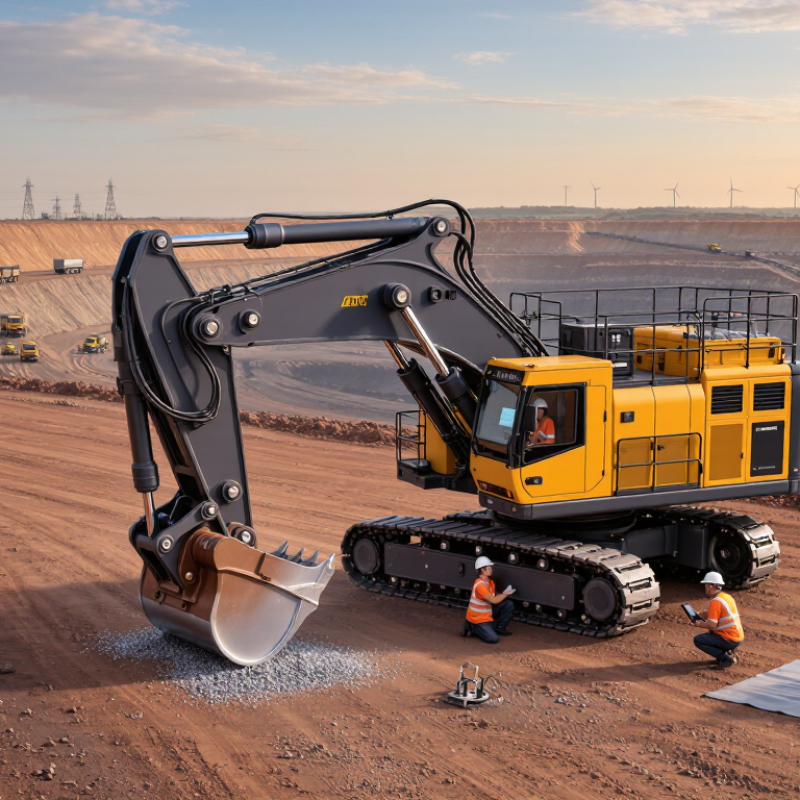
How to Maintain Mining Machinery for Long Term Use in 2026?

Mining Machinery Maintenance Fundamentals for Long-Term Reliability

Mining machinery maintenance begins with a clear asset history, not a crowded spreadsheet. Record operating hours, load cycles, vibration readings, oil condition, and repeated faults. A shovel working in abrasive dust needs different inspection intervals from a crusher in a wet plant. Check hydraulic hoses for abrasion, measure belt alignment, and inspect bearing temperature before each shift. Small leaks rarely remain small.

The U.S. Department of Energy’s Operations and Maintenance Best Practices Guide reports that predictive maintenance can reduce maintenance costs by 8–12% and unplanned downtime by 35–45%. These figures are broad industrial benchmarks, not guaranteed mine results.

PwC’s Mine 2024 study reviewed 68 major mining companies, highlighting continuing pressure on costs, productivity, and asset performance. Use those findings as direction, not a promise. Sensor data helps, but poor calibration can create false confidence. Our first inspection schedule was too optimistic. We changed it after comparing alarms with physical wear. Maintenance teams should review intervals monthly, keep critical seals and bearings available, and document every adjustment. Clean breathers. Tighten correctly. Lubricate by condition, not habit. A missed inspection can erase months of careful planning.

Routine Inspection and Condition Monitoring Procedures

How to Maintain Mining Machinery for Long Term Use in 2026?

Routine Inspection and Condition Monitoring Procedures

Mining machinery lasts longer when inspections follow a fixed, practical routine. Before each shift, operators should check oil levels, hydraulic hoses, guards, tires, tracks, and visible leaks. Look for fresh grease, loose bolts, cracked welds, and unusual dust patterns. These small signs often reveal developing faults. Record every finding, even minor ones. A neglected note can become an expensive repair.

Condition monitoring adds measurable evidence to daily observations. Technicians can track vibration, bearing temperature, hydraulic pressure, oil cleanliness, and engine performance. Use the same test points and comparable operating conditions whenever possible. A sudden temperature rise deserves attention, even when the machine still works normally. Stop and investigate.

Our checklist was not perfect. We once focused heavily on engine readings and missed gradual wear in a conveyor support. That mistake showed why inspections need several viewpoints. Operators notice changes in sound and handling. Mechanics identify mechanical wear. Reliability staff interpret trends across weeks or months. Review records during scheduled maintenance meetings, and update inspection intervals when site conditions change. Wet ground, heavy loads, and abrasive material can shorten service life quickly. Keep sensors clean, calibrate instruments regularly, and verify alarming data manually before making major decisions. Information is useful only when people trust its accuracy.

Lubrication, Cleaning, and Component Care

Long-term mining machinery care begins with disciplined lubrication. In field inspections, technicians should check grease color, pressure, and metal particles before adding lubricant. Mixing incompatible greases can damage bearings quietly. It happens.

Clean lubricant reservoirs before refilling them. Keep oil containers sealed, labelled, and stored away from blasting dust and rain. Sample hydraulic oil at fixed engine hours, not only after failures. The U.S. Department of Energy’s Operations & Maintenance Best Practices Guide reports that predictive maintenance can reduce costs by 8–12% versus preventive maintenance, and 30–40% versus reactive maintenance. Those figures support regular oil analysis, but site conditions can change the result.

Cleaning must reach hidden areas. Wipe radiator fins, wash mud from track frames, and clear packed ore around pins and seals. Avoid directing high-pressure water at electrical connectors or damaged seals. Inspect hoses for swelling, abrasion, and fresh leaks during every shift change. The Global Mining Guidelines Group recommends structured inspection practices for mobile equipment, including condition monitoring and documented defect follow-up. A simple log is useful, though it is not perfect. Supervisors should review repeated failures instead of merely closing work orders. Check torque marks, guarding, fasteners, and undercarriage wear during planned shutdowns. Replace a damaged seal early, even when the machine still operates. Small leaks become expensive contamination problems.

How to Maintain Mining Machinery for Long-Term Use in 2026?

Lubrication, cleaning, and component inspections should be scheduled according to operating hours. The intervals below represent typical preventive-maintenance planning ranges for heavy mining equipment; always confirm the exact limits in the machinery manufacturer’s service manual.

Short-interval tasks reduce contamination and friction, while periodic inspections help detect wear, leaks, and component damage before they cause unplanned downtime.

Safe Repair, Replacement, and Preventive Maintenance Planning

How to Maintain Mining Machinery for Long Term Use in 2026?

Safe maintenance begins before any tool touches the machine. Trained technicians should isolate power, release stored pressure, and verify zero movement. A second person should confirm the isolation. Small oversights cause serious injuries.

Inspect guards, emergency stops, hydraulic lines, and structural cracks during every planned shutdown. Record readings, not vague comments. Note bearing temperature, vibration levels, lubricant condition, and component wear. Compare these results with service limits in the equipment manual. Replace damaged fasteners, hoses, and safety devices without delay.

Tips: Keep a clean maintenance log. Photograph unusual wear. Use calibrated torque tools. Store replacement parts in dry, labeled locations. Never reuse single-use seals or visibly stretched bolts. A checklist helps, but it can create false confidence. Experienced workers still need time to question unusual sounds, smells, or movement.

Preventive planning should match operating conditions. Dust, heavy loads, water, and long shifts can shorten service intervals. Schedule lubrication, filter changes, belt checks, and electrical inspections before failure becomes urgent. Use oil analysis and vibration monitoring where practical.

Replacement decisions should consider wear measurements, repair history, downtime risk, and safe access. Repairing a cracked support may seem cheaper, but hidden fatigue can remain.

When a part is replaced, inspect connected components too. A new shaft can expose worn couplings. Review the plan after each shutdown, because the original schedule may be wrong. That is not failure. It is useful evidence.

Maintenance Records, Training, and Continuous Performance Improvement

Long-term mining machinery care begins with disciplined maintenance records. Each entry should show operating hours, inspection findings, fluid changes, replaced parts, and the technician’s name. Add photographs when cracks, leaks, or unusual wear appear. Small clues matter. A vibration reading that rises slightly for three weeks may reveal bearing trouble before production stops. Digital records can help teams compare temperature, fuel use, and fault codes across operating cycles. However, numbers need context. Dust, load weight, weather, and operator habits can distort a simple comparison.

Training should connect procedures with real equipment. Operators need to recognize abnormal noise, hydraulic drift, loose guards, and overheating before damage spreads. Maintenance staff should practice safe isolation, correct torque methods, sampling procedures, and accurate reporting. Short toolbox sessions near the machine often work better than lengthy classroom lectures. Encourage operators to report uncertainty without fear of blame. A missed inspection is not harmless. Yet, pretending every inspection was perfect creates a more serious risk. Supervisors can review recurring failures monthly and adjust inspection intervals, spare-part levels, or lubrication routines. Track measurable results, such as fewer emergency repairs, stable component temperatures, and reduced unplanned downtime. When performance improves, question why. When it worsens, investigate the process, not only the machine.

How to Maintain Mining Machinery for Long-Term Use in 2026? — Maintenance Records, Training, and Continuous Performance Improvement

Mining Machinery Maintenance and Performance Management Framework
Management Area Key Dimension Recommended Record or Action Typical Frequency 2026 Performance Target Example Data Status Corrective or Improvement Action
Maintenance Records Equipment identification Maintain a unique asset ID, equipment type, operating location, commissioning date, rated capacity, and current operating hours. At commissioning and after every major configuration change 100% of active machines have complete asset records 86 of 88 active machines have complete digital records; 2 records require commissioning-date verification. Monitor Verify the two incomplete records during the next site audit and lock mandatory fields in the maintenance system.
Maintenance Records Preventive maintenance compliance Record scheduled inspections, lubrication, filter replacement, fluid checks, torque checks, and component replacement against operating hours. Daily, weekly, monthly, or hour-based according to the maintenance plan At least 95% completed on time Quarterly completion rate: 96.4%; 11 of 304 planned tasks were completed more than seven days late. On Target Review late tasks by cause and reschedule maintenance windows around planned production stoppages.
Maintenance Records Breakdown history Log failure mode, failed component, operating hours, downtime, parts used, probable cause, and verified root cause. After every unplanned failure 100% of breakdowns closed with a verified cause 29 breakdowns recorded; 25 have verified root-cause analysis, while 4 remain under review. Monitor Require supervisor approval before closing a breakdown record and use a standard five-whys review for repeat failures.
Maintenance Records Mean time between failures Track operating hours between unplanned failures for each equipment class and compare results with the previous quarter. Monthly and quarterly review Increase quarterly MTBF by at least 5% Average MTBF increased from 412 to 438 operating hours, a 6.3% improvement. Improving Replicate the inspection and lubrication practices used by the highest-performing equipment group.
Maintenance Records Mean time to repair Measure the time from failure notification to return to service, including diagnosis, parts waiting, repair, and testing. After every corrective maintenance event Keep average MTTR below 8 hours Quarterly average MTTR: 7.2 hours; parts waiting accounted for 2.1 hours per event. On Target Improve critical spare-parts availability and prepare repair kits for recurring failure modes.
Condition Monitoring Lubrication control Record lubricant type, quantity, application point, technician, contamination findings, and next service due date. Daily checks and scheduled lubrication intervals Less than 2% lubrication-related failures Lubrication-related failures represented 1.4% of recorded equipment failures in the last quarter. On Target Continue contamination-control checks and use color-coded tools to prevent lubricant cross-contamination.
Condition Monitoring Fluid and filter analysis Test engine oil, hydraulic fluid, coolant, and filters for contamination, viscosity change, wear metals, and abnormal debris. Every 250–500 operating hours or according to risk level At least 90% of high-risk samples tested on schedule 92% of high-risk samples were tested on schedule; three samples showed elevated iron particles. Investigate Inspect affected components, repeat sampling after 50 operating hours, and plan replacement if wear continues.
Condition Monitoring Vibration and temperature trends Track bearing vibration, gearbox temperature, motor temperature, and trend changes rather than relying only on alarm limits. Weekly or continuous monitoring on critical assets 100% of critical alerts reviewed within 24 hours 18 critical alerts were generated; all were reviewed within 24 hours, with 5 requiring planned intervention. On Target Use trend-based thresholds and link alerts directly to work orders for faster response.
Operator Training Pre-start inspection training Train operators to inspect leaks, guards, tires or tracks, brakes, warning devices, fluid levels, and abnormal noise before operation. Initial training and annual refresher 100% of operators certified 74 of 78 operators completed the annual refresher; four certifications expire within 30 days. Due Soon Schedule refresher sessions before certification expiry and restrict unsupervised operation for overdue personnel.
Operator Training Safe operating practices Cover payload limits, controlled acceleration, braking, travel speed, shutdown procedures, and hazard reporting. At induction, after incidents, and during annual refresher training Zero serious operating-procedure violations Two minor speed-limit violations were recorded; no serious operating-procedure violations occurred. Improve Provide targeted coaching, review speed-event data, and reinforce site traffic rules during toolbox meetings.
Maintenance Training Technician competency Assess technicians on inspection quality, fault diagnosis, isolation procedures, torque control, documentation, and testing. Initial assessment and every 12 months At least 90% pass rate on practical assessments Technician practical-assessment pass rate: 93%; hydraulic fault diagnosis was the weakest module at 87%. On Target Deliver a focused hydraulic troubleshooting workshop and repeat the practical assessment within 60 days.
Maintenance Training Lockout and isolation competence Verify that maintenance personnel can isolate electrical, hydraulic, pneumatic, mechanical, and stored-energy hazards. Before authorization and annual verification 100% authorization with no critical deviations 100% of authorized technicians passed the assessment; one procedural observation required immediate coaching. Controlled Record the coaching action and conduct a follow-up field observation during the next maintenance shift.
Continuous Improvement Repeat failure rate Identify failures involving the same component or failure mode within a defined period and track permanent corrective actions. Monthly review Reduce repeat failures by at least 10% per year Repeat failures fell from 14 to 11 cases compared with the previous quarter, a 21.4% reduction. Improving Standardize the successful corrective actions and confirm effectiveness after 90 days.
Continuous Improvement Planned maintenance ratio Compare planned maintenance hours with total maintenance hours to measure how much work is scheduled before failure. Monthly and quarterly review Maintain planned work above 75% Planned maintenance represented 78% of total maintenance hours during the quarter. On Target Protect weekly maintenance windows and convert suitable reactive work into scheduled tasks.
Continuous Improvement Availability Measure the percentage of scheduled production time that equipment is available for operation, excluding approved planned downtime. Daily reporting and monthly review Maintain critical-equipment availability above 90% Critical-equipment availability reached 91.8%, compared with 89.6% in the previous quarter. Improving Focus improvement projects on the two equipment classes with the highest unplanned downtime.
Continuous Improvement Maintenance backlog Track overdue work orders by risk, age, required skill, parts status, and estimated labor hours. Weekly review No high-risk overdue work orders and fewer than 4 weeks of total backlog No high-risk overdue orders; total backlog equals 3.1 weeks of planned maintenance labor. Controlled Review medium-risk tasks weekly and close obsolete work orders after supervisor verification.
Continuous Improvement Energy and fuel efficiency Record fuel or energy use per operating hour and investigate changes caused by idling, payload, tire or track condition, and engine performance. Daily data collection and monthly analysis Improve energy efficiency by at least 3% annually Energy use per operating hour improved by 3.8% after idle-time reduction and operator coaching. Improving Continue idle-time monitoring and include efficiency results in monthly operator feedback.
Governance Monthly performance review Review maintenance compliance, MTBF, MTTR, availability, backlog, repeat failures, training, safety observations, and improvement actions. Monthly management meeting 100% of actions assigned with an owner and due date 27 improvement actions were assigned; 24 were closed on time and 3 remain open with approved due dates. Follow Up Escalate overdue actions and verify that completed actions produced measurable performance gains.
Data shown are realistic illustrative operating figures for maintenance planning and performance management. Actual targets should be adjusted using equipment duty cycle, operating environment, manufacturer service requirements, site risk assessments, and historical records.

FAQS

What should operators inspect before each mining shift?

Check oil levels, hydraulic hoses, guards, tires, tracks, and visible leaks. Look for loose bolts and cracked welds. Record every finding.

Which condition-monitoring readings matter most?

Track vibration, bearing temperature, hydraulic pressure, oil cleanliness, and engine performance. Use consistent test points and similar operating conditions.

What does a sudden temperature increase mean?

It may signal developing damage, even if the machine still operates normally. Stop and investigate before the problem grows.

Why should inspection records include minor defects?

Small changes can reveal larger faults later. A loose bolt today may become expensive damage tomorrow.

How should mining machinery be lubricated?

Check grease color, pressure, and metal particles first. Do not mix incompatible greases. Clean reservoirs before refilling them.

How can cleaning protect machine components?

Remove mud from track frames and packed ore around pins and seals. Wipe radiator fins carefully. Avoid high-pressure water near electrical connectors.

How should hydraulic oil and lubricant containers be managed?

Sample hydraulic oil at fixed engine hours. Keep containers sealed, labelled, and protected from dust and rain.

Who should review inspection information?

Operators notice sound and handling changes. Mechanics identify wear. Reliability staff study longer trends. Everyone should review repeated failures.

When should inspection routines be changed?

Update intervals when ground becomes wet, loads increase, or materials become more abrasive. These conditions can shorten service life quickly.

What inspection mistake should maintenance teams avoid?

Do not focus only on engine readings. A previous review missed gradual conveyor-support wear. Several viewpoints provide better protection.

Conclusion

Long-term mining machinery reliability depends on a structured maintenance strategy that combines routine inspections, condition monitoring, proper lubrication, thorough cleaning, and careful component management. To understand how to maintain mining machinery for long-term use, operators should regularly check for abnormal noise, vibration, overheating, leaks, wear, and performance changes. Lubricants must be applied according to equipment requirements, while dust, mud, and material buildup should be removed to prevent premature damage. Small issues should be addressed before they develop into costly failures.

Safe repair and component replacement also require clear procedures, suitable tools, and effective preventive maintenance schedules. Accurate maintenance records can help teams identify recurring problems, plan service intervals, and improve equipment availability. Ongoing training ensures that personnel understand inspection standards, safe work practices, and operating limitations. By reviewing maintenance results and updating procedures continuously, mining operations can extend machinery life, reduce unexpected downtime, improve safety, and achieve more consistent long-term performance.

Henry

Henry

Henry is a dedicated marketing professional with a profound expertise in the company's offerings. With years of experience in the industry, he possesses an impressive understanding of the market dynamics and consumer behaviors that drive success. Henry is committed to sharing his insights through......