Earthmoving machines turn plans into workable ground. Excavators open trenches, loaders move aggregate, and bulldozers shape rough terrain. In construction, each task depends on the right machine, sound operating practice, and careful site planning. So, what is the role of earthmoving machines in construction? They help crews prepare foundations, build access roads, clear material, and maintain steady progress across changing ground conditions.
China’s leading earthmoving equipment makers supply excavators, wheel loaders, graders, and other machines for projects of different sizes. Their models may offer varied engine power, bucket capacity, attachments, and cab features. These details matter on a muddy housing site, a quarry haul road, or a narrow urban project. There is no single “best” machine for every job. Buyers should compare the actual workload, ground conditions, service support, parts availability, and operating costs before choosing. Specs deserve a close look.
A machine’s value also depends on how it is maintained and operated. Daily checks of tracks, tires, hydraulic lines, and fluid levels can reveal problems early. Trained operators can use fuel and equipment more efficiently while reducing avoidable wear. Real performance may differ from a brochure, and that is worth acknowledging. A careful comparison of verified specifications and local support gives contractors a more reliable basis for selecting China-made earthmoving machines.
What China’s Leading Earthmoving Machines Are
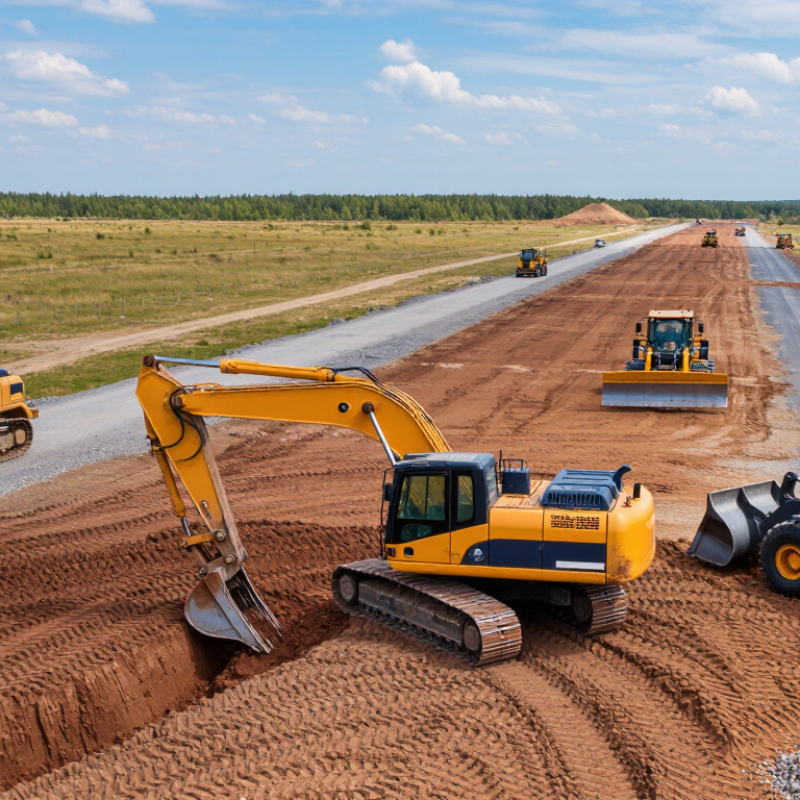
China’s leading earthmoving machines include hydraulic excavators, bulldozers, wheel loaders, motor graders, and road rollers. Each handles a different part of a construction site. Excavators dig foundations and trenches, while bulldozers push soil across uneven ground. Wheel loaders move gravel into trucks or stockpiles. Motor graders shape road surfaces, and rollers compact soil or asphalt. No single machine does every job well.
Many machines built for China’s construction sector are designed for demanding work, varied terrain, and frequent transport between sites. Buyers should compare engine output, digging reach, lifting capacity, ground clearance, and service access. A wide cab window can help operators spot workers near the machine. Easy-to-reach filters can also shorten routine maintenance. These details matter. Yet specifications alone can mislead; actual performance depends on soil, weather, operator skill, and upkeep.
Tips: Match the machine to the material and work area. For a tight urban site, check turning space and transport dimensions before choosing an excavator or loader. On soft ground, assess track width and ground pressure. Ask for operating and maintenance records, and inspect wear on bucket teeth, hydraulic hoses, and tires. A machine may look powerful on paper. Real site conditions tell a fuller story.
How Earthmoving Machines Move and Shape the Land
What Is the Role of China Best Earthmoving Machines?
How Earthmoving Machines Move and Shape the Land
Earthmoving machines reshape land through a sequence of cutting, carrying, spreading, and compacting. Excavators loosen soil and load it into dump trucks. Dozers push material across short distances, while graders trim the surface to a planned slope. Rollers then press soil into a firmer layer. Small elevation changes matter: a carefully formed grade can guide rainwater away from a road rather than toward its base.
Good results depend on reading the ground, not just operating larger machines. Soil type, moisture, and the depth of each layer affect how well material compacts. Too much water can make soil deform under pressure; too little can leave loose pockets. The U.S. Army Corps of Engineers’ Engineering Manual 1110-2-1911 describes compaction as a process that must account for soil and moisture conditions. It is a reminder that neat-looking ground is not always stable.
There is a cost to disturbing soil carelessly. The FAO’s 2015 Status of the World’s Soil Resources report estimates that erosion removes 25–40 billion tonnes of topsoil each year worldwide. That figure is not caused by construction alone, but it shows why exposed ground needs attention. On site, stockpiles, drainage channels, and staged clearing can limit runoff. Plans still miss things sometimes. A patch of wet clay can change the whole day.
What Is the Role of China Best Earthmoving Machines?
How Earthmoving Machines Move and Shape the Land
Excavators dig and lift soil, bulldozers push and spread it, wheel loaders move loose material, and motor graders level surfaces. Bars show approximate typical operating-weight ranges in tonnes; actual weights vary by machine size and configuration.
Key Machine Types and Their Specialized Roles
What Is the Role of China Best Earthmoving Machines?
Key Machine Types and Their Specialized Roles
The best earthmoving machine depends on the material, site layout, and haul distance. Excavators dig foundations and load trucks; their buckets scrape wet clay or scoop loose gravel. Bulldozers push soil across short distances and spread fill. Wheel loaders move stockpiled material quickly, while motor graders shape a smooth, consistent road surface. Articulated dump trucks carry loads across uneven ground. Each has a distinct job. On Chinese projects, access to maintenance and replacement parts matters as much as rated power. A specification sheet alone can mislead.
McKinsey Global Institute’s 2017 report, Reinventing Construction, found construction labor productivity grew about 1% annually from 1995 to 2015, compared with 3.6% in manufacturing. That gap makes careful equipment matching important, though machines alone cannot fix poor planning. Global Construction Perspectives and Oxford Economics projected global construction output would rise 85% by 2030 in their 2015 report. This is a projection, not a guarantee.
Tips: Match bucket size to truck capacity, and check ground bearing conditions before choosing a machine. Track fuel use and idle time during a real shift. A larger unit may finish faster, but sometimes it simply burns more fuel.
Industries That Depend on Chinese Earthmoving Equipment
Chinese earthmoving machines serve construction, mining, agriculture, and public works by moving soil, rock, and debris. On a road project, an excavator may cut drainage channels while a loader shifts gravel beside the crew. Small contractors often value versatile machines that can handle several tasks across changing sites. In mining, larger excavators and dozers help clear overburden and maintain access roads. Farm operators may use compact loaders to shape irrigation ditches or prepare storage areas.
Different work demands different machines.
Municipal teams also rely on earthmoving equipment for utility repairs, flood-control work, and snow-season site preparation. A backhoe can dig around buried pipes, though careful operation matters near existing services. Forestry crews may use tracked machines to build access paths on uneven ground. Conditions vary. Buyers should compare operating weight, digging reach, fuel use, parts access, and service support against local workloads. A low purchase price can be tempting, but downtime may cost more than expected. Specifications alone do not tell the whole story. A machine that performs well on firm soil may struggle on wet ground, and operators need practical training before work begins.
How Design and Technology Improve Machine Performance
On a Chinese earthmoving site, performance depends on more than engine power. A well-balanced chassis, responsive hydraulics, and clear cab visibility help operators move soil precisely across uneven ground. Reinforced joints matter when buckets strike compacted gravel all day. Details matter. McKinsey Global Institute’s 2017 report, Reinventing Construction, found that construction labor productivity grew about 1% annually over two decades, compared with 3.6% in manufacturing. Better machine design cannot solve the whole industry’s productivity gap, but it can reduce avoidable idle time and rework.
Electronic controls make that improvement more measurable. Load-sensing hydraulics can match oil flow to the task, while onboard sensors track fuel use, temperature, and operating hours. Machine guidance can help an operator reach a target grade with fewer corrective passes. Small gains add up. The 2023 Global Status Report for Buildings and Construction attributed 37% of global energy- and process-related carbon emissions to the buildings and construction sector in 2022. That figure covers a broad sector, not earthmoving machines alone, but it underscores why efficient powertrains and lower idling matter.
Data still needs judgment. A dashboard may show lower fuel consumption while a muddy worksite slows production. Operators need practical training, and maintenance teams must check sensor readings against real conditions. Technology helps, but it does not replace experience.
Conclusion
China’s leading earthmoving machines are designed to move soil, rock, and other materials while reshaping land for construction and development. Their roles include digging foundations, clearing and grading sites, building roads, excavating trenches, and transporting heavy loads. Different machine types serve specialized purposes: excavators handle digging and lifting, bulldozers push and level material, wheel loaders move loose loads, and motor graders create smooth, even surfaces. Together, these machines help crews complete large projects more efficiently and consistently.
The answer to “what is the role of earthmoving machines in construction” lies in their ability to prepare and transform sites across industries, including infrastructure, mining, agriculture, and urban development. Advances in machine design and technology can improve power, precision, fuel efficiency, operator comfort, and safety. By matching the right equipment to each task and using it effectively, project teams can manage demanding terrain, reduce delays, and achieve reliable results.

 Aero Tech