Providing thermal stability, advanced structural integrity, and automation for temperature-sensitive material pathways globally.
Modern cold chain solutions demand precise temperature control across varying climatic zones. From cryogenic storage phases to standard chilled distribution channels, our custom OEM frameworks ensure optimal thermal insulation, minimizing thermal bridging and energy expenditure across bulk material handlers.
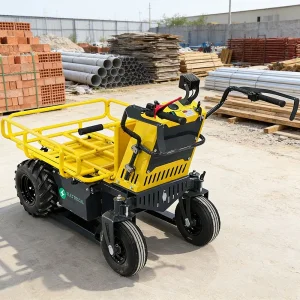
By implementing advanced PLC control interfaces within mobile loading conveyors and bulk handling units, we minimize human error and physical exposure times in cold environments. Rapid sorting and transfer mechanics prevent temperature fluctuations, maintaining critical product quality.
Cold chain logistics expose mechanical components to constant temperature shifts and condensation. Our systems incorporate marine-grade aluminum alloys, hot-dip galvanized structural elements, and cold-rated synthetic seals that endure temperature changes without structural fatigue or embrittlement.
Key market drivers reshaping the industrial cold supply chain landscape from pharmaceutical tracking to perishables.
The global biopharmaceutical sector has experienced an unprecedented surge in demand for specialized cold chain infrastructure. High-value biologics, customized cell therapies, and mRNA vaccines require strict sub-zero custody. Industrial logistics operations must now support ultra-low temperature ranges (down to -80°C), demanding advanced heat-exchanger units, vacuum insulation panels (VIP), and real-time IoT telematics. Heavy handling machinery operating adjacent to these storage areas must minimize transient temperature fluctuations during transition phases.
Traditional static temperature monitoring has transitioned to predictive analytics and live data streams. Modern OEM cold chain solutions integrate digital sensors directly into transfer mechanisms and storage hulls. This allows fleet operators and facility managers to trace the thermal history of a batch at every micro-stage—from container loading using adjustable conveyors to warehouse sorting via crane systems.
With mounting regulatory pressure to decarbonize industrial sectors, cold logistics centers are turning to energy-neutral structural architectures. Minimizing cold air leakage during loading dock actions is vital. Advanced loading dock systems with insulated side-seals and automated fast-acting doors drastically cut ambient air intrusion, directly decreasing compressor energy expenditure and avoiding frost accumulation.
How international enterprises evaluate quality, performance, and customization when choosing cold chain logistics partners.
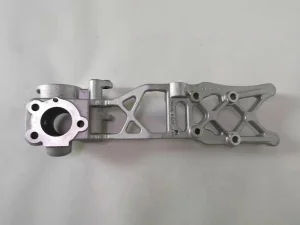
In heavy industrial bulk handling and cold logistics, downtime is expensive. Global procurement teams prioritize systems built with robust mechanical components that resist cold embrittlement and wear. The integration of high-grade components, like alloy fixing brackets and structurally reinforced crane elements, protects critical systems from mechanical failure in extreme environments.
Every market operates under unique safety and environmental rules, such as CE certifications in Europe or OSHA compliance in the United States. Custom OEM designers must be agile enough to modify electrical schematics, structural configurations, and safety features to align with these regional standards without compromising overall system performance.
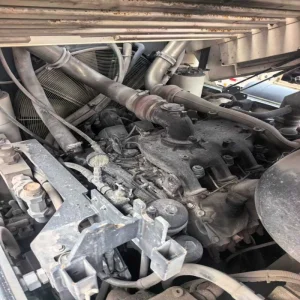
Complex cold facilities are restricted access zones to conserve thermal energy. Logistics machinery must feature modular sub-systems for fast repair and maintenance. Simple, accessible components—like quick-change tool configurations and easily reached hydraulic line clusters—minimize service duration inside cold zones.
New machinery must integrate seamlessly into pre-existing warehouse management suites. PLC systems configured with universal communication protocols (Modbus, Profinet, EtherNet/IP) enable unified tracking, automated sorting, and efficient warehouse operations.
Shenzhen SNECMA AeroTech Co., Ltd. is a professional manufacturer and supplier specializing in heavy industrial engineering equipment, focusing on material handling systems, mining machinery, and road construction equipment solutions. The company is committed to delivering reliable, efficient, and high-performance industrial machinery designed to meet the demanding requirements of mining, infrastructure development, and large-scale material transport operations.
With strong engineering capabilities and advanced manufacturing technologies, SNECMA AeroTech provides a wide range of solutions including bulk material conveying systems, heavy-duty handling equipment, mineral processing machinery, excavation and earthmoving systems, and road construction equipment. These systems are widely used in mining sites, construction projects, logistics hubs, and infrastructure development sectors where durability and efficiency are critical.
The company emphasizes innovation, safety, and operational efficiency. By integrating intelligent control systems and modern mechanical design, its equipment helps improve productivity, reduce downtime, and optimize resource utilization in complex industrial environments.
Shenzhen SNECMA AeroTech Co., Ltd. also supports OEM and ODM customization services to meet diverse global customer requirements. With a strong focus on quality control and continuous R&D investment, the company aims to become a trusted global provider of advanced heavy industrial solutions for material handling, mining, and road construction industries.
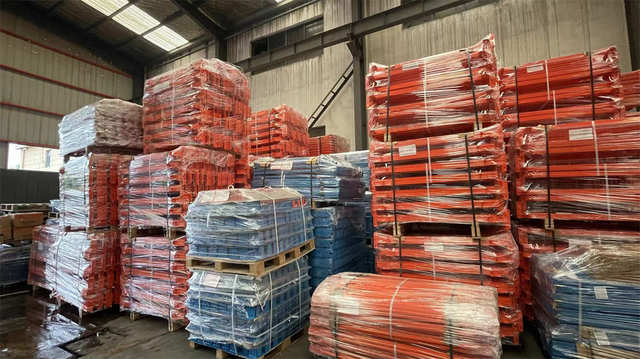
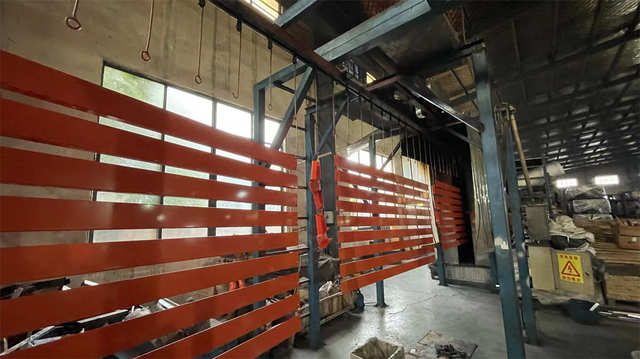
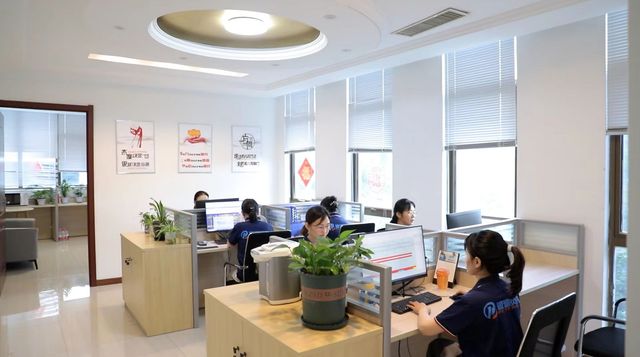
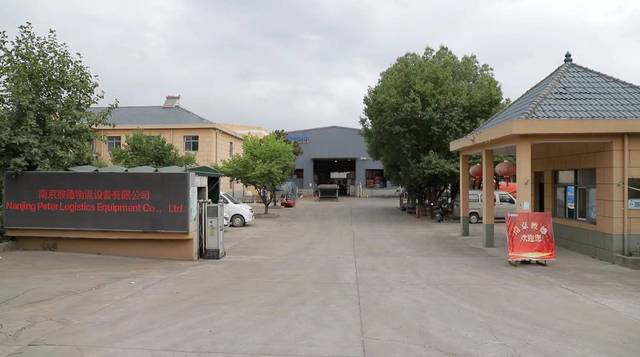
Combining automated manufacturing with dynamic material networks to supply high-end cold logistics infrastructures.
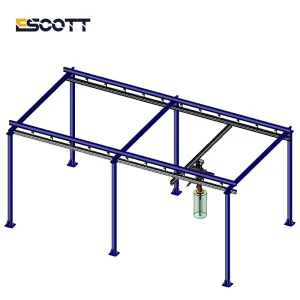
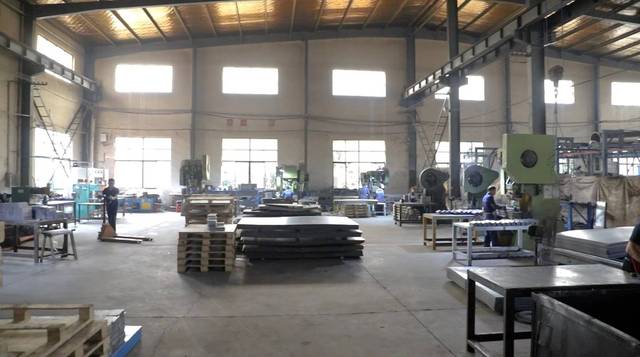
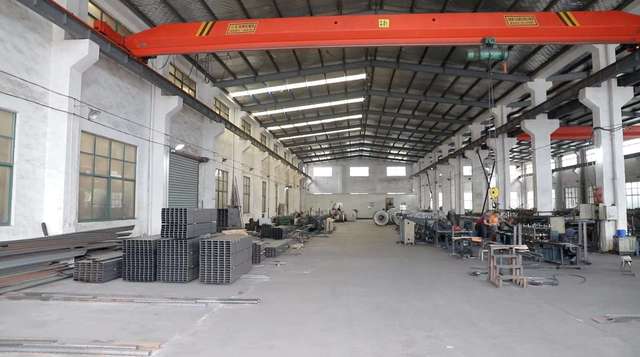
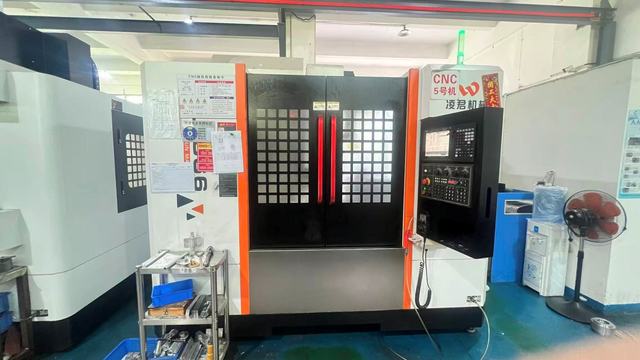
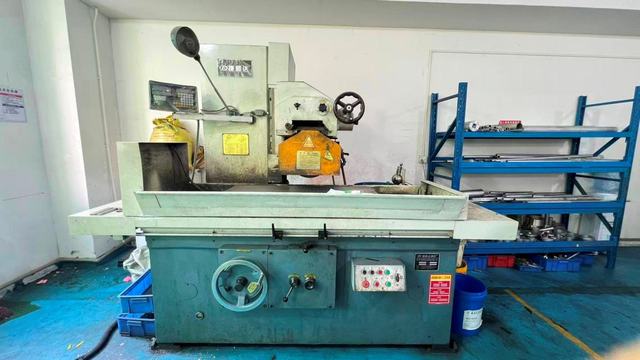
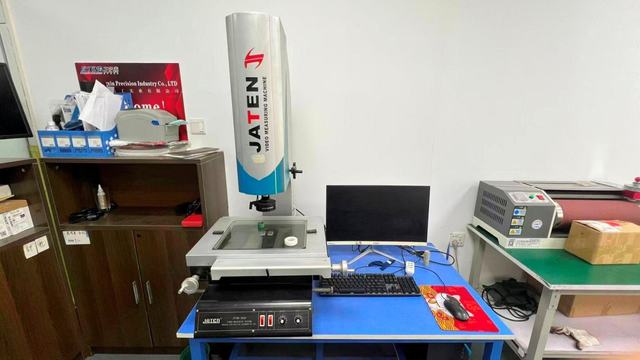
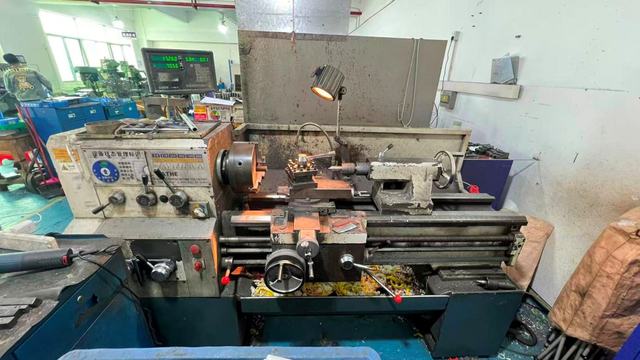
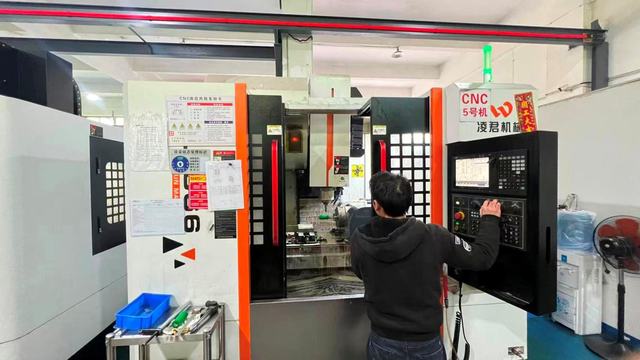
China's manufacturing sector has evolved from high-volume assembly to automated high-precision engineering. Under the Factory 4.0 framework, Shenzhen SNECMA AeroTech integrates digital twin simulations, automated welding cell systems, and structural testing methods into its production processes. This setup ensures that complex materials handling equipment—like heavy-duty electric KBK cranes and industrial PLC unloading stations—maintains tight tolerances and consistent quality.
Supply chain resilience is maintained through a deep local network of raw material vendors, advanced surface treatment facilities, and specialized metallurgy experts. This concentration of resources minimizes lead times, even for complex custom OEM orders. Industrial operations can scale production while maintaining quality certifications (CE, ISO, SGS) required by global markets.
Using computerized structural analysis (FEA), our engineers model how mechanical parts behave under low temperatures and high stress. By identifying stress points before fabrication, we prevent field failures, ensuring long-term operational safety in demanding climates.
Real-world engineering applications of our material handling and industrial systems across global sectors.
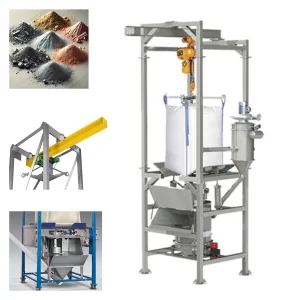
In coastal ports, bulk cargo systems transfer materials between ships and land storage. Corrosive sea air and high humidity require marine-grade, salt-resistant surface finishes. Our bulk bag unloader structures and mobile conveyors are built with specialized alloy fixing brackets and anti-corrosive coatings to ensure long service life in seaside environments.
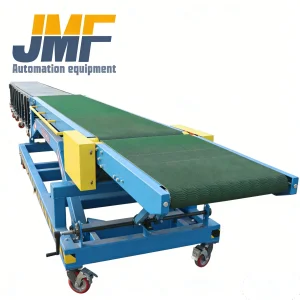
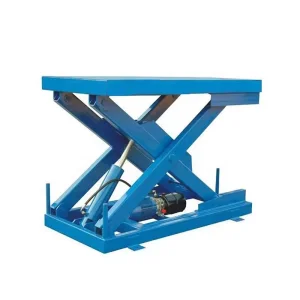
Modern food distribution centers require rapid product flow to prevent thawing. Our heavy-duty hydraulic loading systems and adjustable container conveyors handle continuous traffic between temperature-controlled warehouses and insulated trucks. This minimizes door-open cycles and protects the thermal barrier.
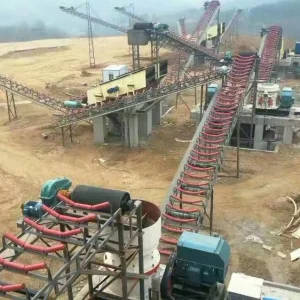
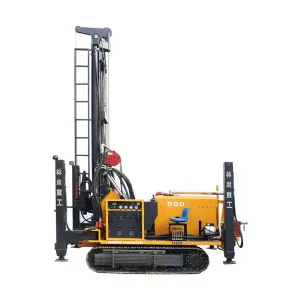
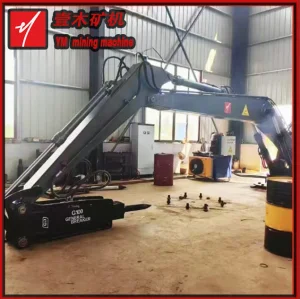
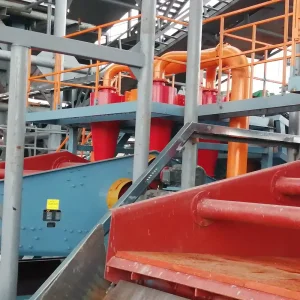
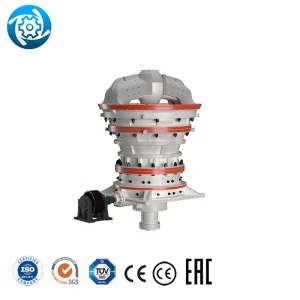
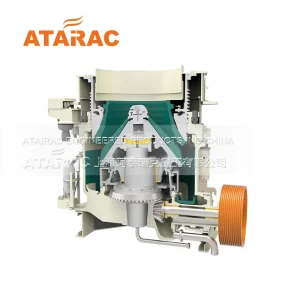
Mining installations in dry, cold environments require robust machinery that resists low-temperature brittleness. Our screening plants and pedestal-mounted breaker booms are constructed with cold-weather steels and low-temperature hydraulic fluid systems, ensuring reliable operation at high altitudes and low temperatures.
Answers to common technical queries about our custom OEM solutions, material choices, and ordering options.
We use fine-grained structural steels (such as Q345D/E or equivalent) and marine-grade aluminum alloys for critical load-bearing parts. These metals undergo impact testing to guarantee mechanical strength at temperatures down to -40°C.
Our design team adapts product specifications to match local regulations. We configure electrical setups with CE, UL, or CSA approved components and adjust structural designs to satisfy local safety standards.
Yes. Our PLC systems are built on open architectures supporting protocols like Modbus TCP, Profinet, and EtherNet/IP. This allows simple integration with modern Warehouse Management Systems (WMS) for unified control.
Standard OEM adaptations take 6 to 8 weeks from engineering approval to completion. Fully custom, built-from-scratch machinery involving extensive structural and PLC development requires 12 to 16 weeks, including test cycles.
Every system undergoes factory acceptance testing (FAT), where we verify mechanical functions, load limits, and PLC configurations. Non-destructive testing (NDT), such as ultrasonic weld inspection, is performed on heavy load points.
 Aero Tech