🔍 General Introduction
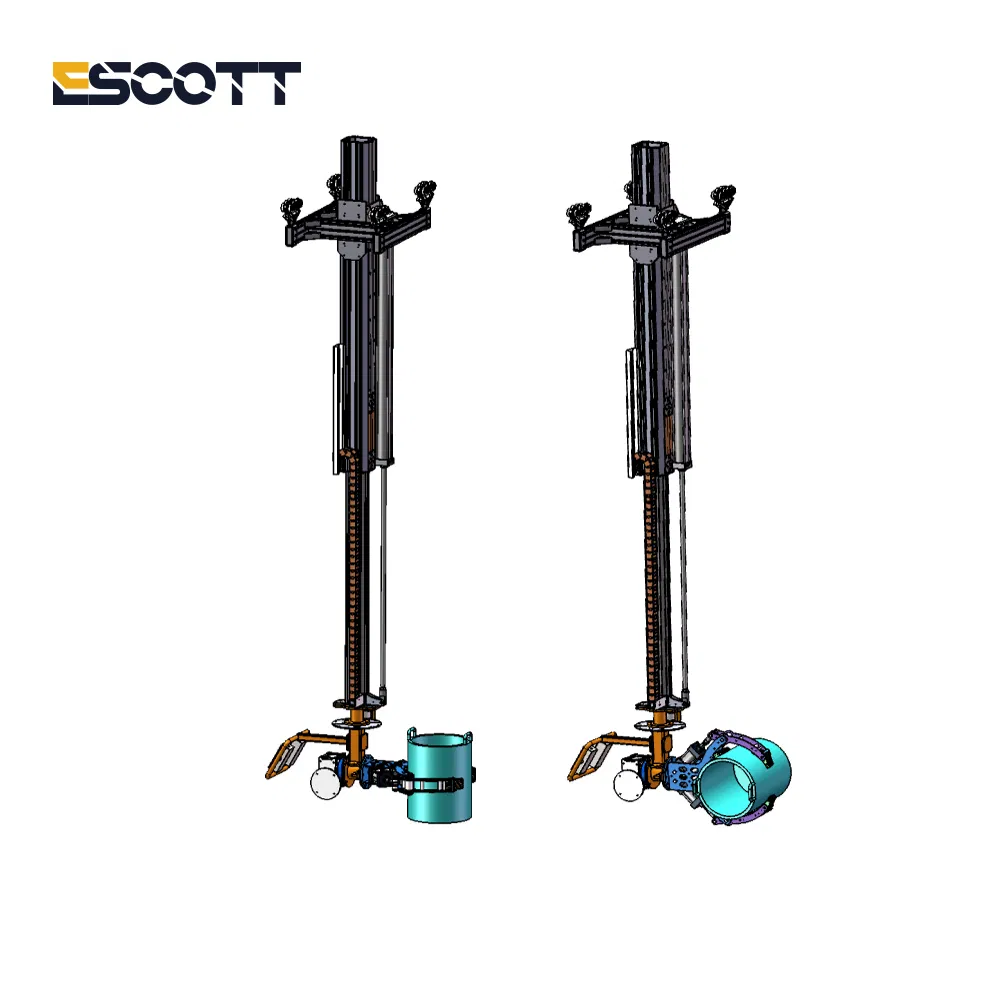
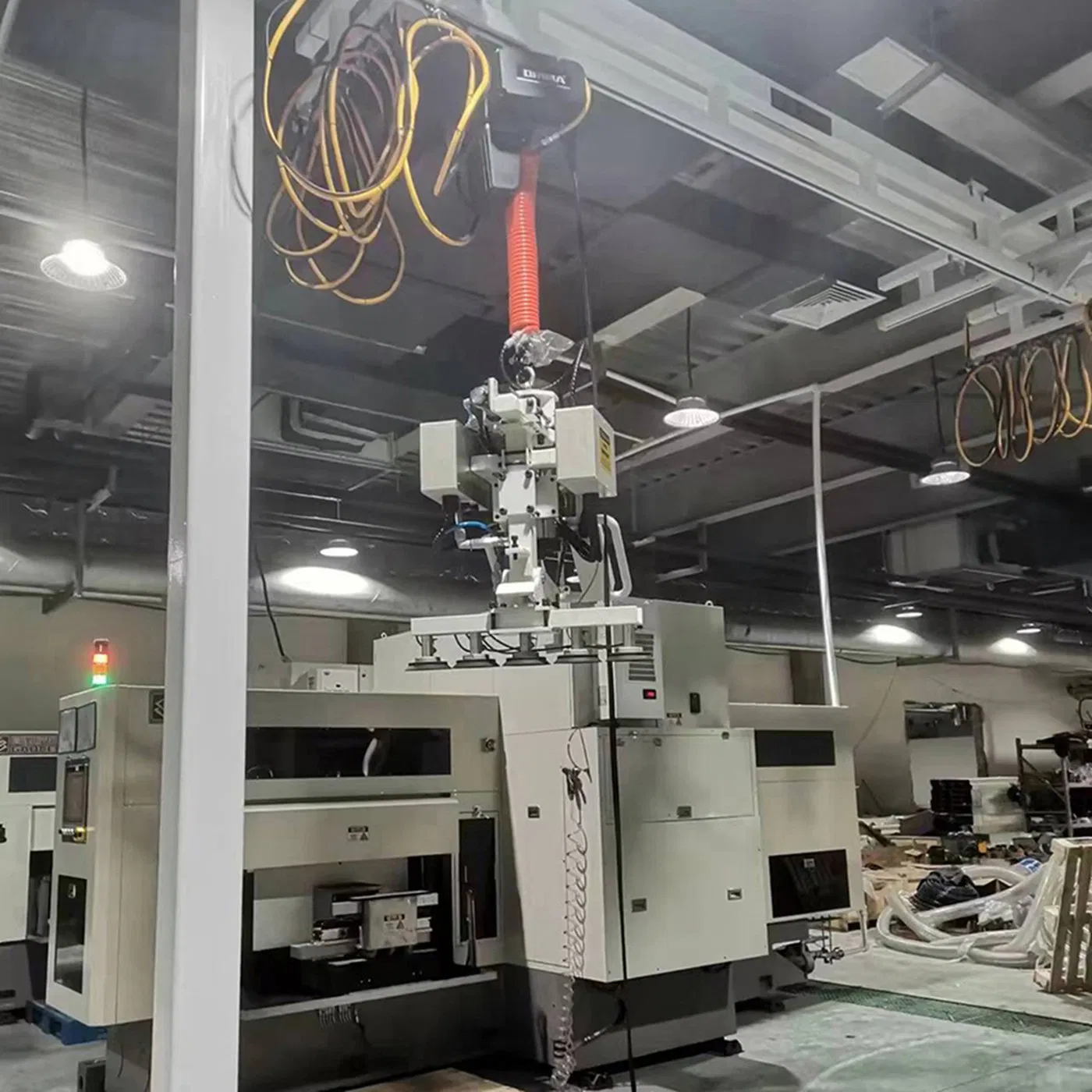
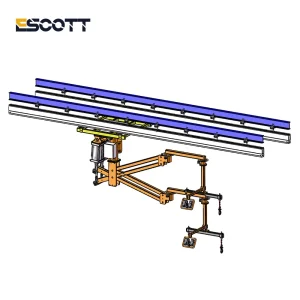
Overhead Crane is a type of manipulator equipment equipped with a cable. It realizes lifting functions by connecting auxiliary lifting equipment installed on a mechanical arm with specialized fixtures via soft cables.
This equipment is utilized with various non-standard fixtures to achieve efficient workpiece handling, palletizing, loading, and unloading. It significantly reduces operator fatigue, maximizes productivity, and ensures high standards of worker safety. It is ideal for modern production lines across multiple industries.
⚙️ Core Technology
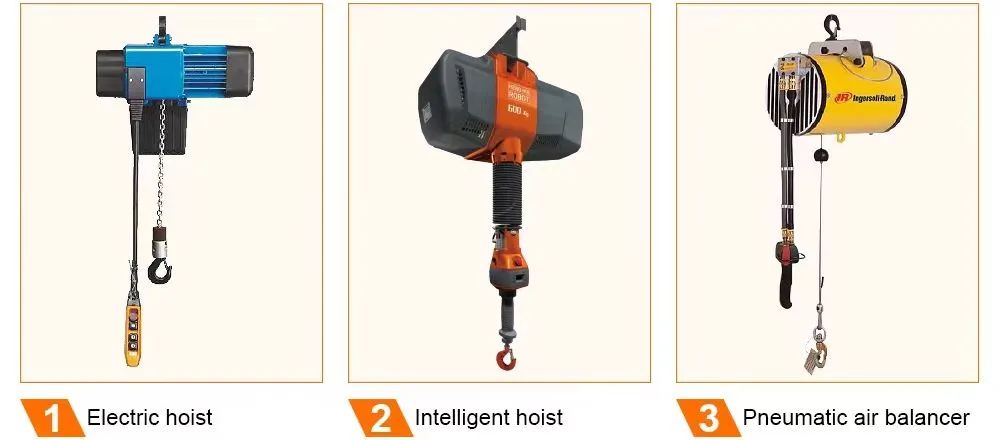
1. Electric Hoist
Installed on cantilevers, gantry cranes, or trusses. Features low cost, simple operation, and low maintenance. Available in wire rope or chain versions with single or two-speed lifting options.
2. Intelligent Hoist
Composed of servo drives, motors, and reducers controlled by microprocessors. It senses operator input for variable speed movement, offering high precision, safety, and controllable speed.
3. Pneumatic Air Balancer
Uses compressed air thrust to balance load gravity. The control system provides accurate suspension and movement, making it easy to manipulate heavier objects safely and efficiently.
🛠️ Installation Ways
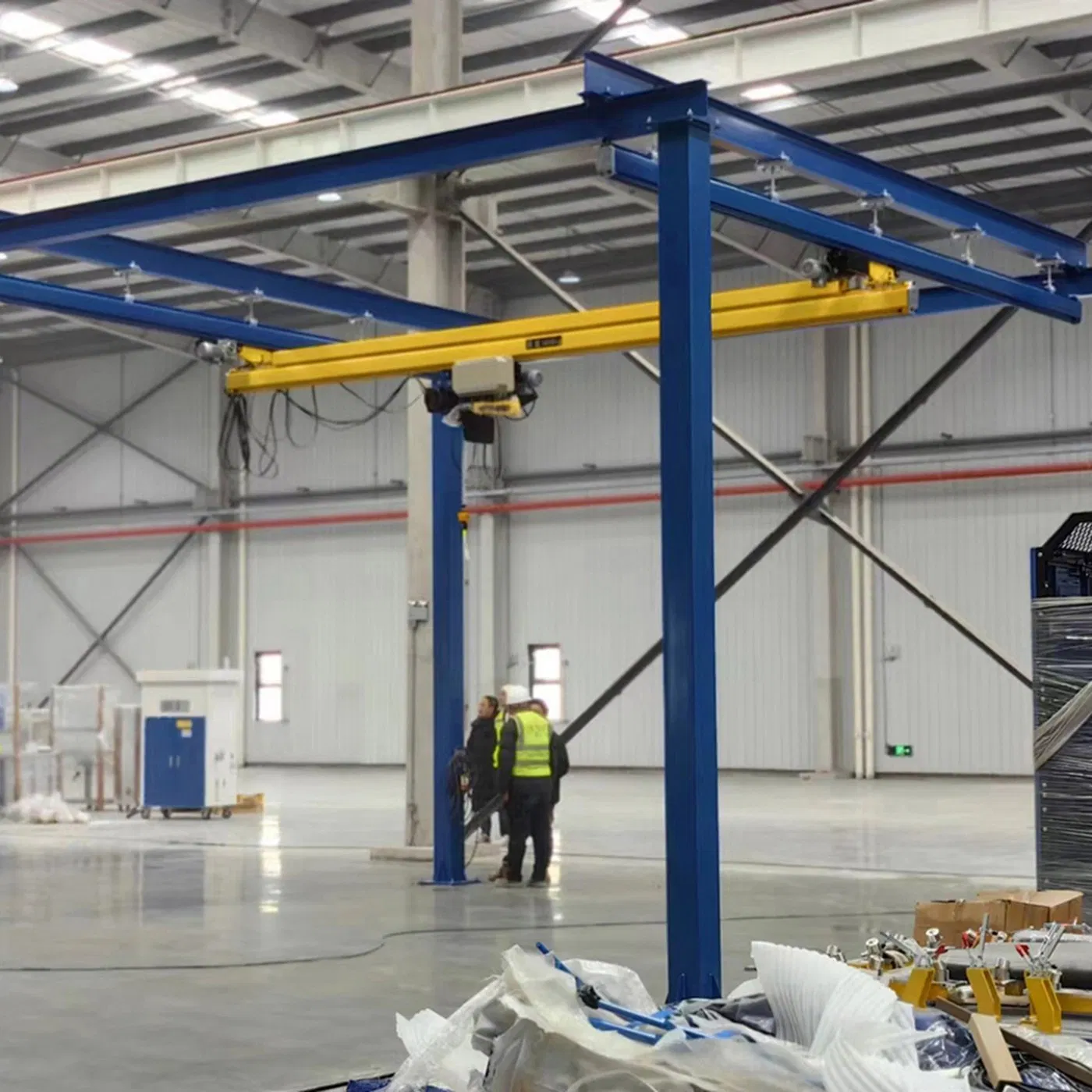
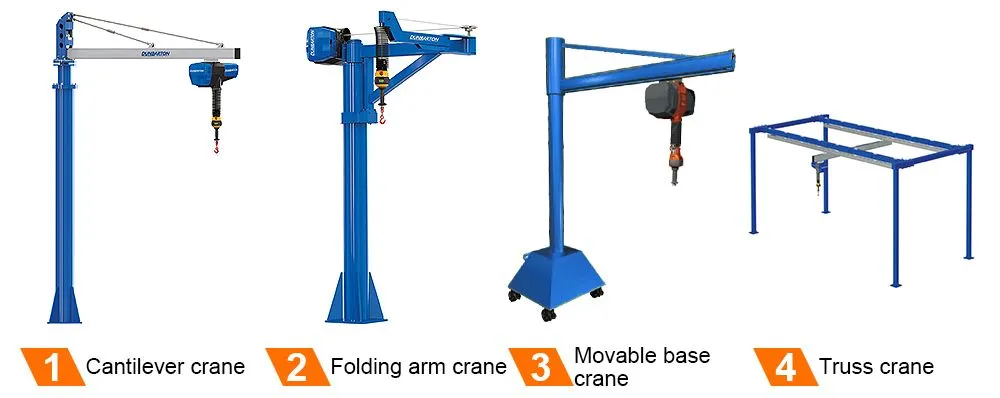
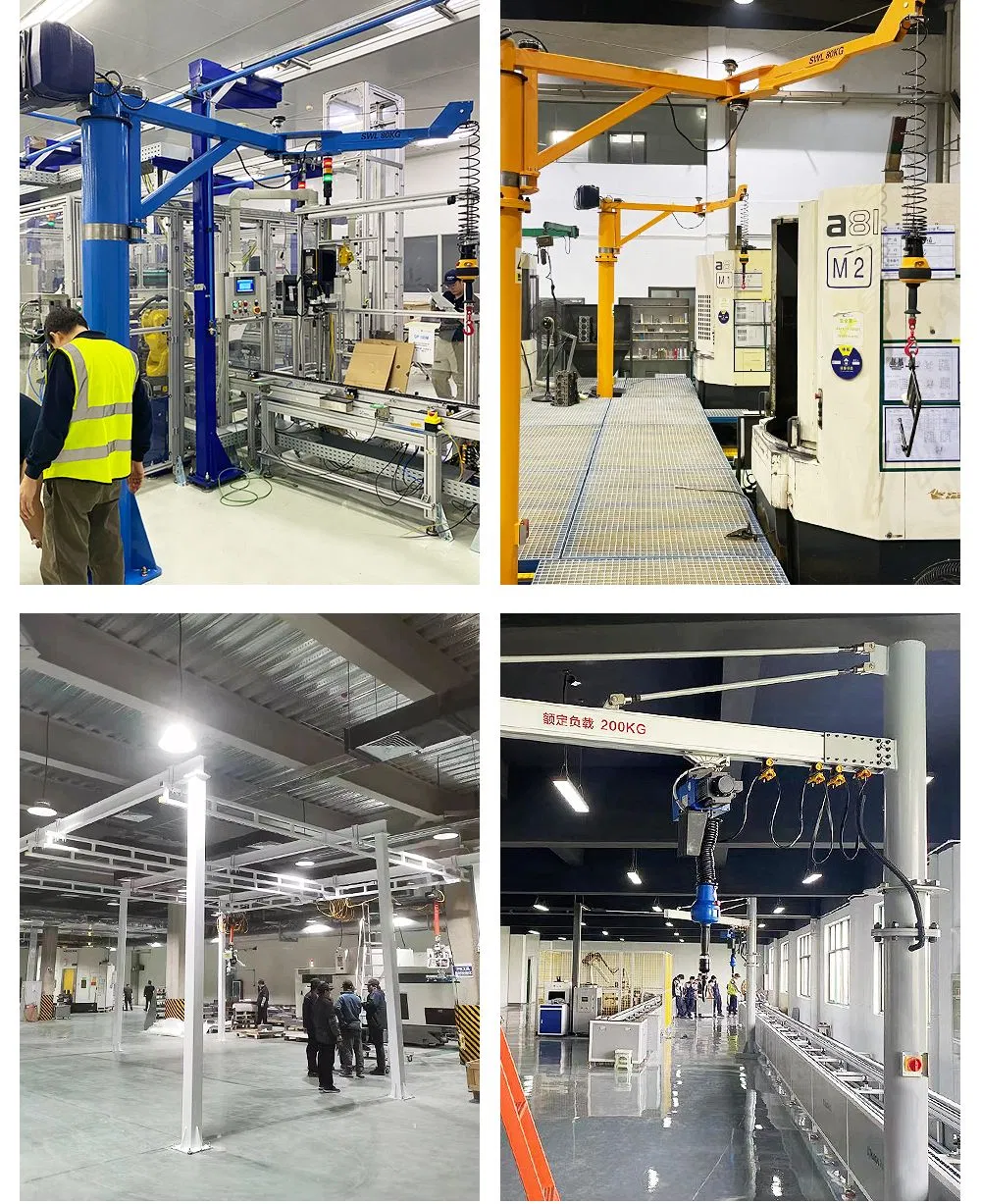
Cantilever Crane: Adopts steel pipe columns and I-beam main beams; offers simple structure and large working space.
Folding Arm Crane: Composed of a column, rotating arm, and lifting unit. Provides accurate positioning with a small footprint.
Movable Base Cantilever Crane: Flexible all-direction movement with accurate positioning for large ranges.
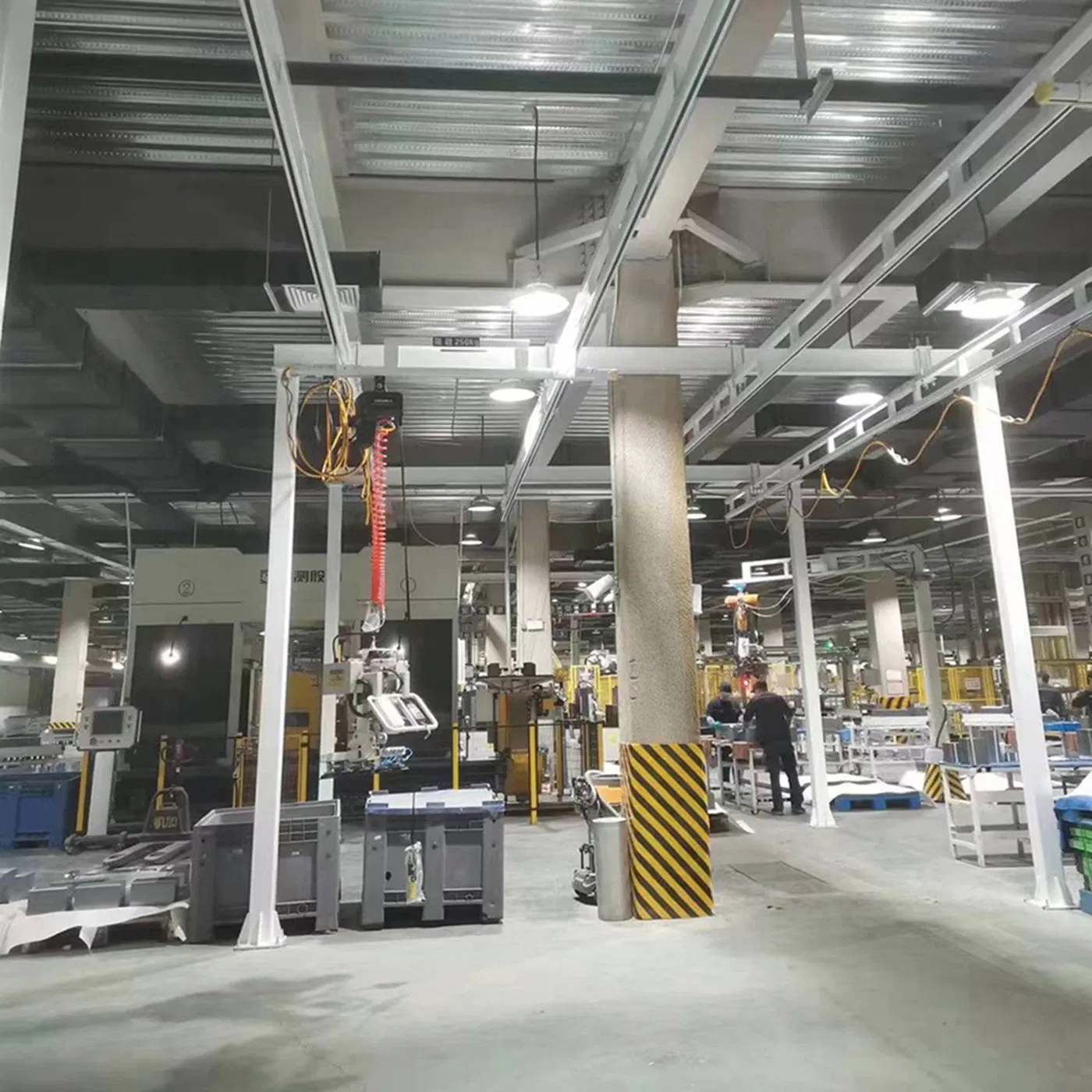
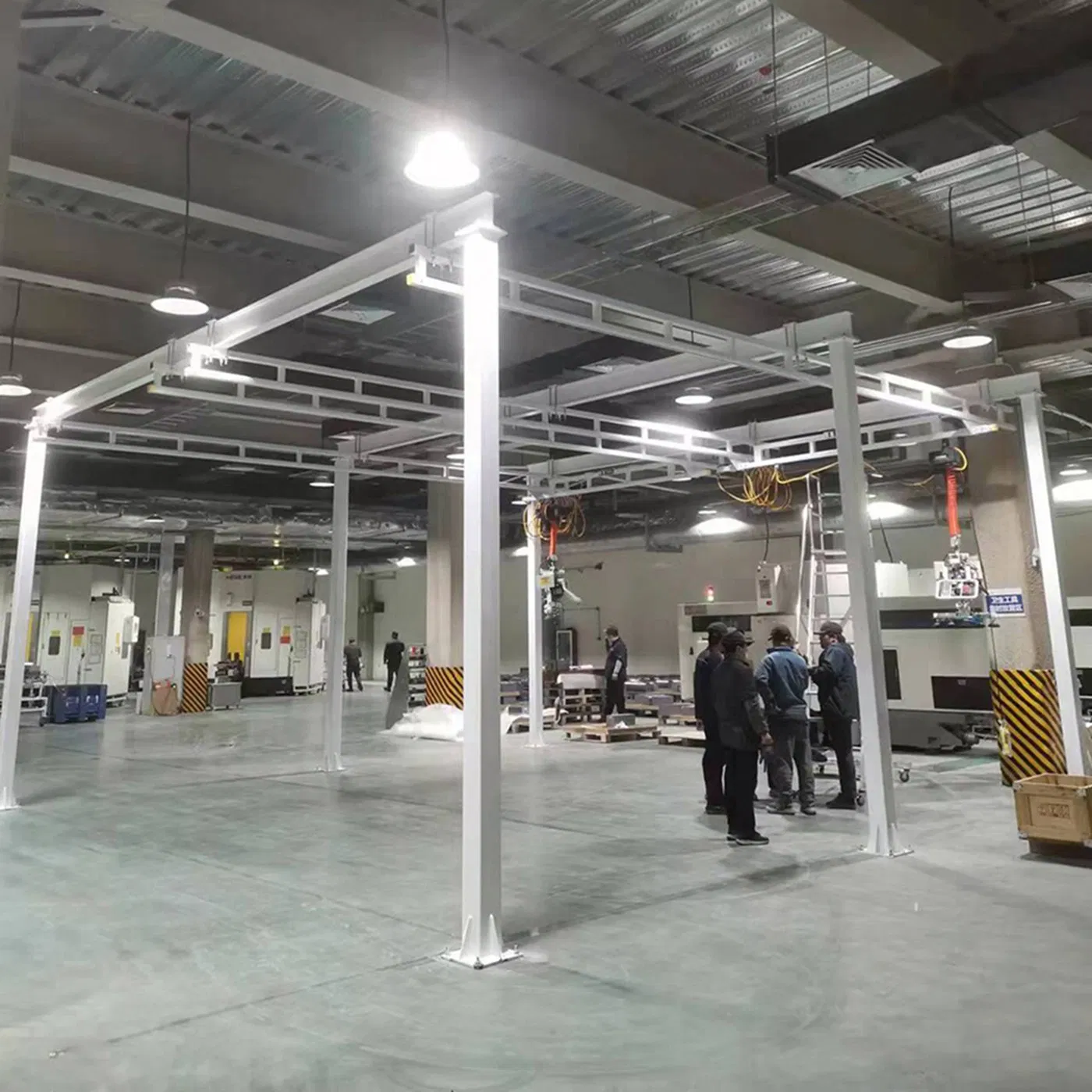
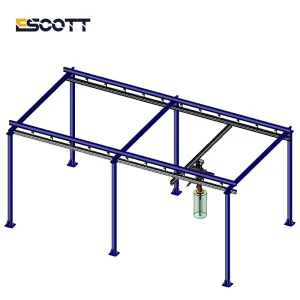
Truss Crane: Lightweight steel structure suitable for scenarios with limited height or large travel requirements.
Frequently Asked Questions
What is the maximum lifting weight for this equipment?
The system supports various models with a maximum lifting weight of up to 20 tons, while standard intelligent models range up to 600kg.
Is the lifting stroke customizable?
Yes, the up and down stroke (standard 0-2000mm) and maximum height can be fully customized based on your factory requirements.
What are the main differences between the hoist types?
Electric hoists are cost-effective for general use; Intelligent hoists offer high precision and variable servo speed; Pneumatic balancers use air pressure for smooth, weightless-feel manipulation.
What power supply is required for the intelligent hoist?
The intelligent hoist models typically require a power supply of 220V±10% at 50HZ.
What installation options are available for limited space?
The folding arm crane and truss crane are specifically designed for scenarios with limited space or restricted height requirements.
What certifications does the lifting equipment hold?
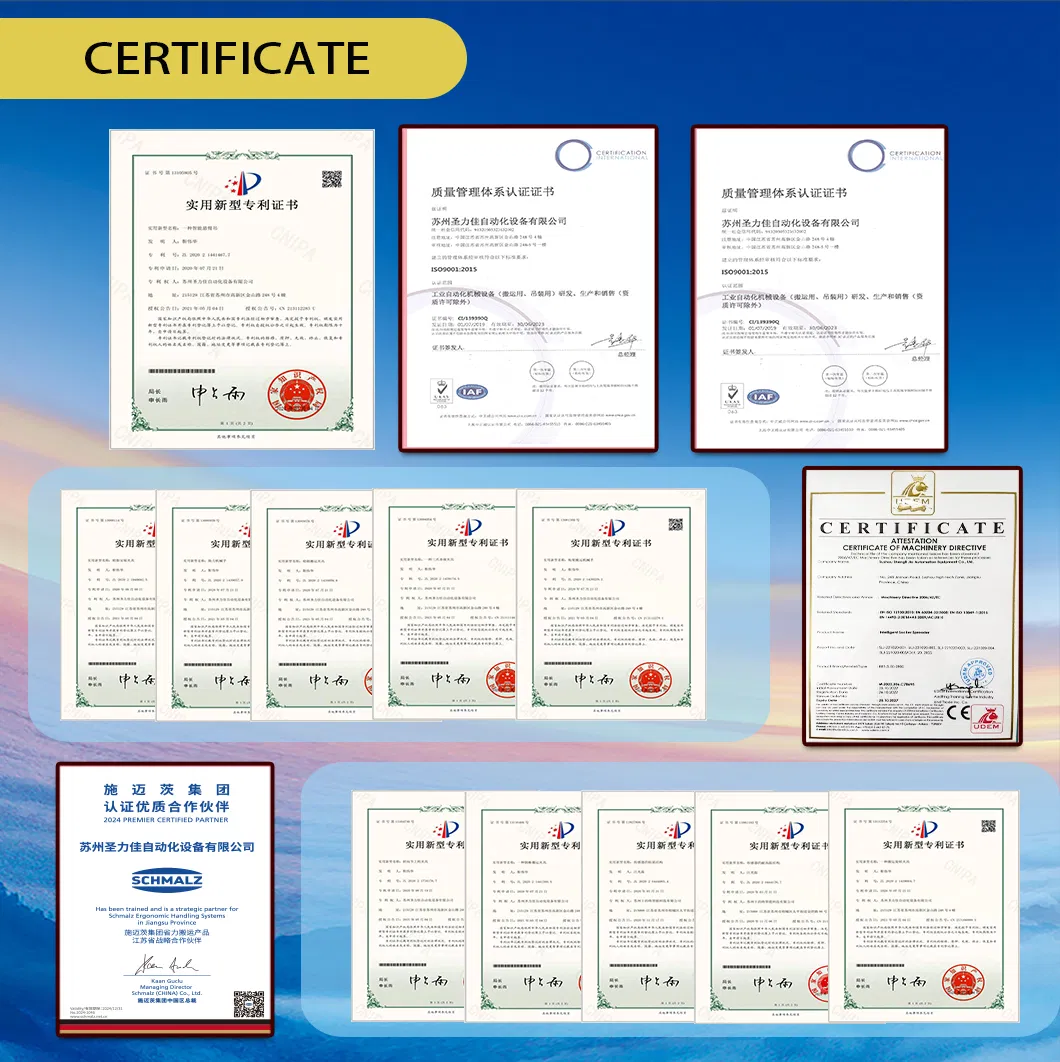
The equipment is certified by GS, RoHS, CE, and ISO9001 standards, ensuring international safety and quality compliance.
 Aero Tech