Aero Tech
1 / 5
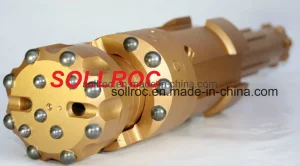
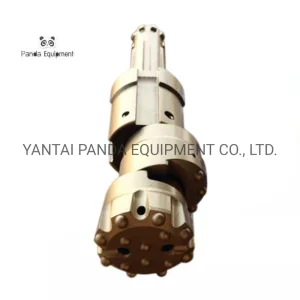
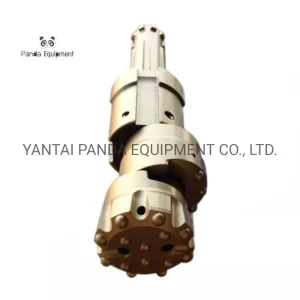
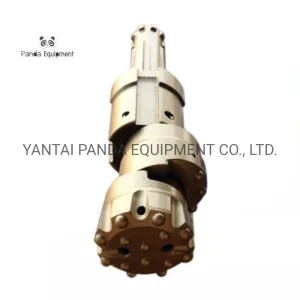
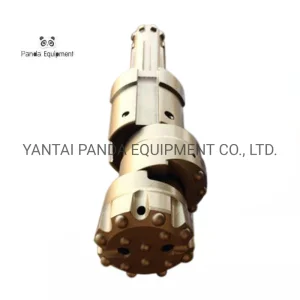
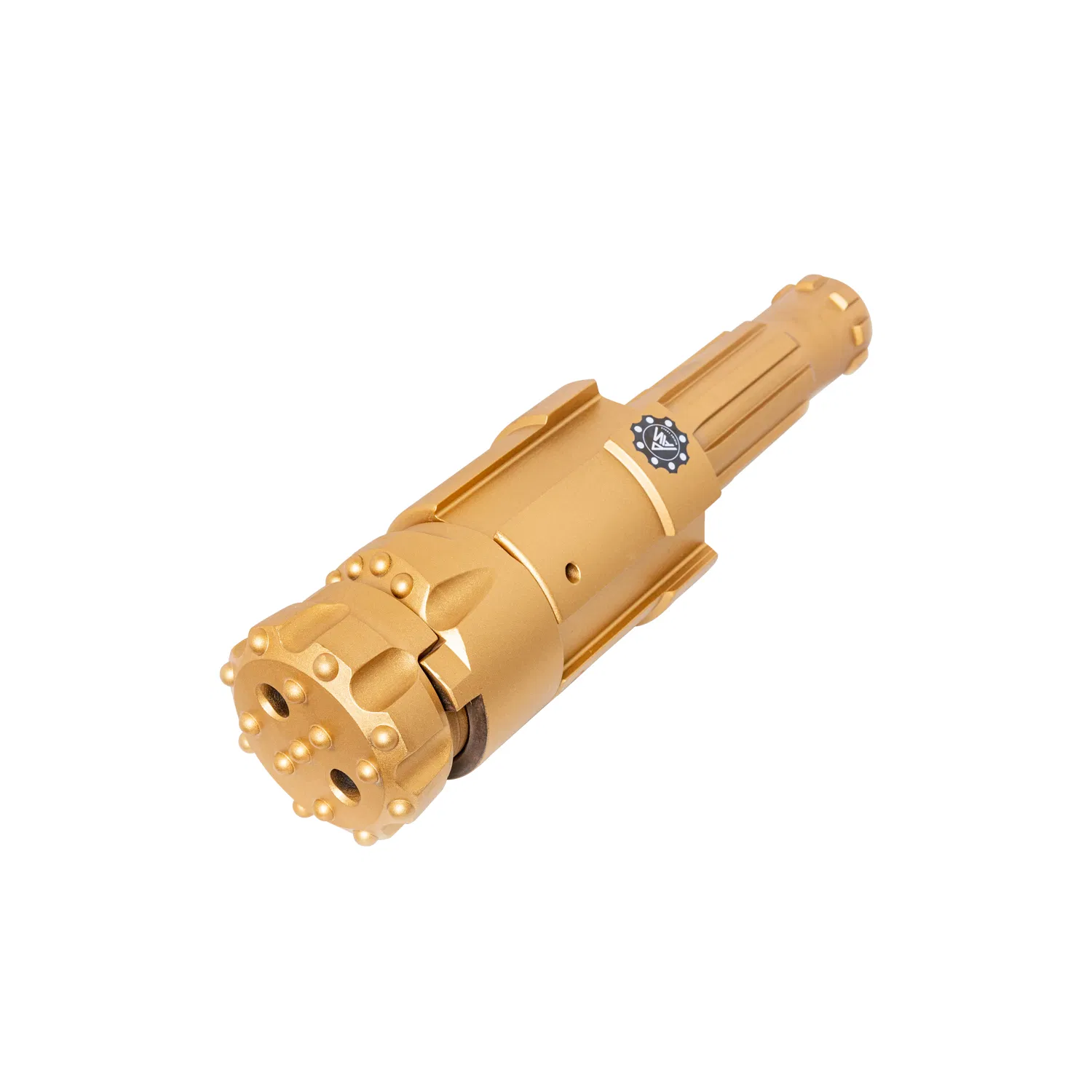
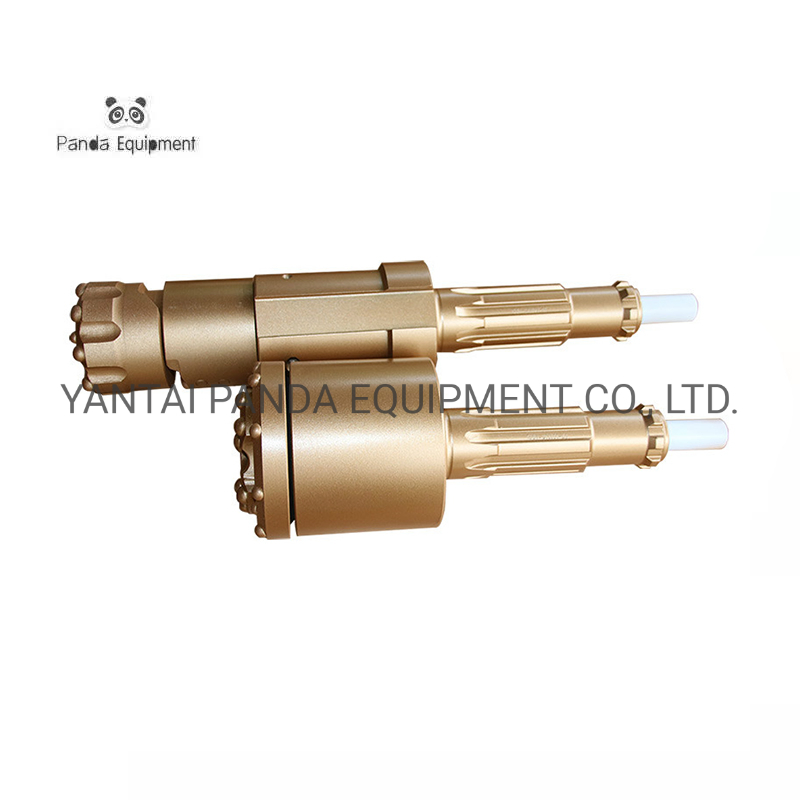
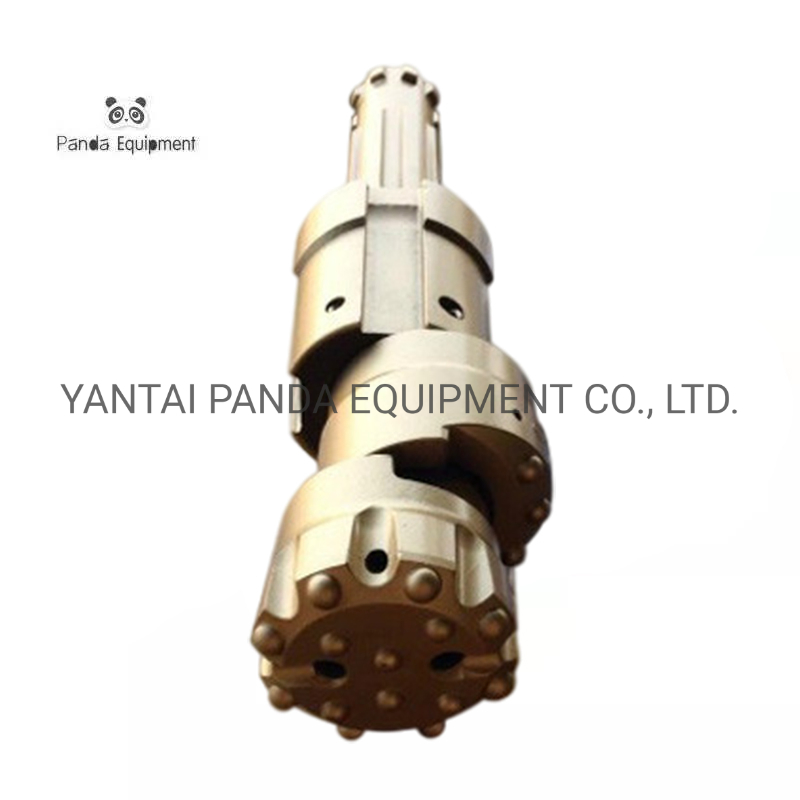
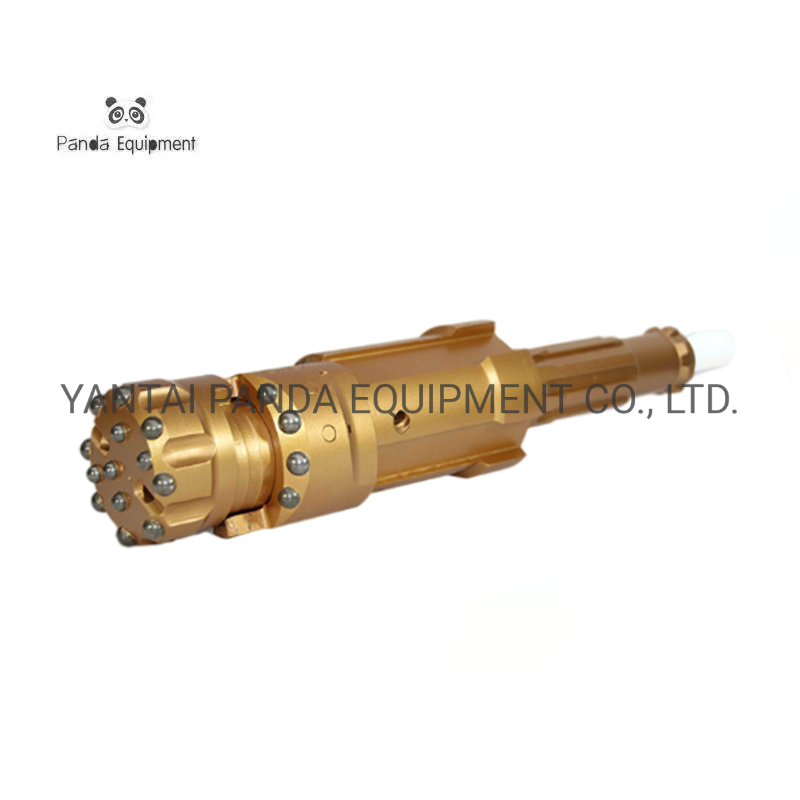
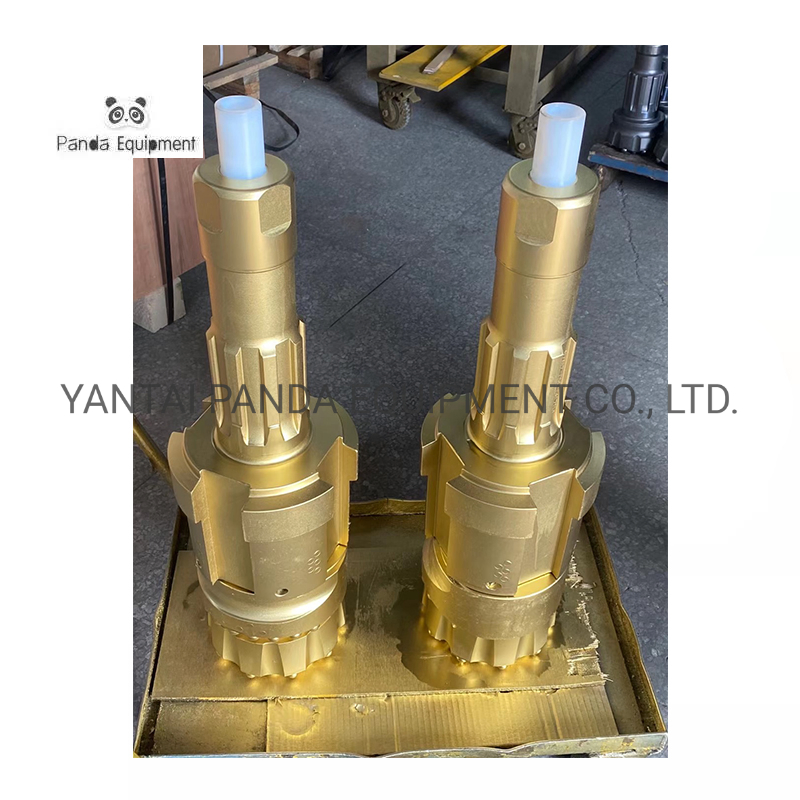
Overburden Casing System, also named Eccentric Casing System, is specifically designed for drilling water wells, geothermal wells, short micropiles, and medium mini-type grouting holes for buildings and diamond harbor projects.
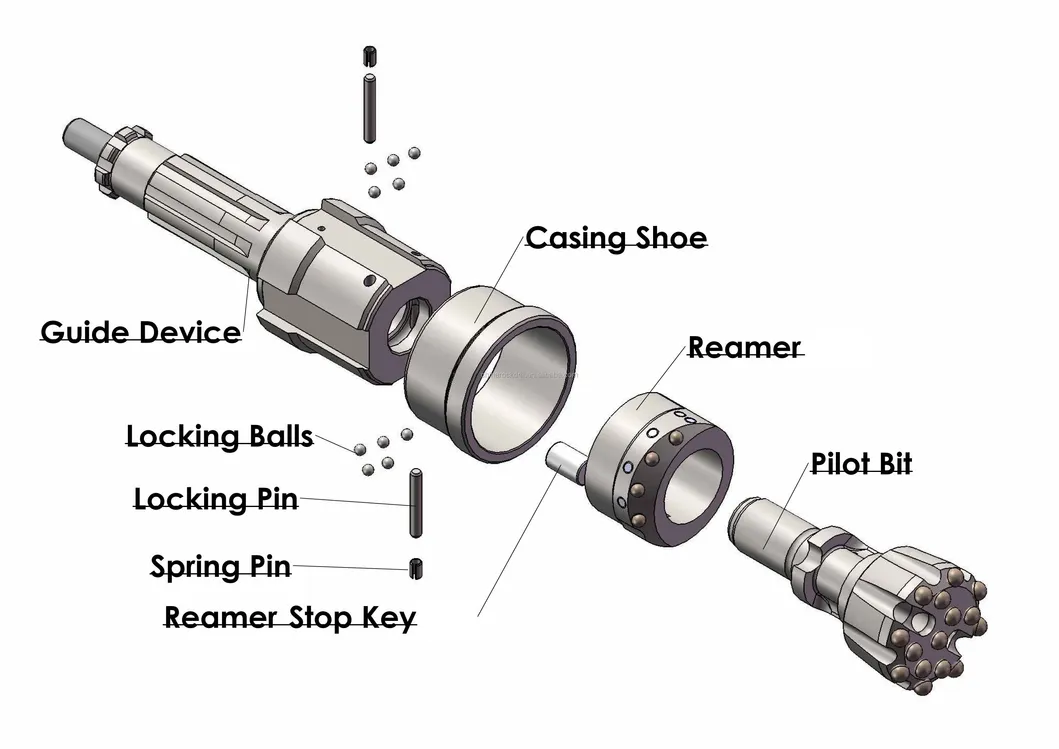
When drilling, the reamer bit rotates out to enlarge the hole, allowing the casing tube to slide down behind it. Once the required depth is reached, the drill pipe rotates in the reverse direction, causing the reamer bit to retract. This allows the entire drilling system to pass through the casing safely.
| Part / Model | PA90 | PA115 | PA140 | PA165 | PA190 |
|---|---|---|---|---|---|
| Casing Tube (Max O.D.) | 115mm | 142mm | 171mm | 195mm | 222mm |
| Guide Sleeve Length | 174mm | 174mm | 205mm | 225mm | 250mm |
| Drill Pipe Thread | API 2 3/8" Reg | API 2 3/8" Reg | API 2 3/8" Reg | API 3 1/2" Reg | API 3 1/2" Reg |
| DTH Hammer | DHD35 / Mission30 | DHD340 / Mission40 | DHD55 / Mission50 | DHD360 / Mission60 | DHD360 / Mission60 |
| Reaming Diameter | 123mm | 152mm | 185mm | 211mm | 237mm |
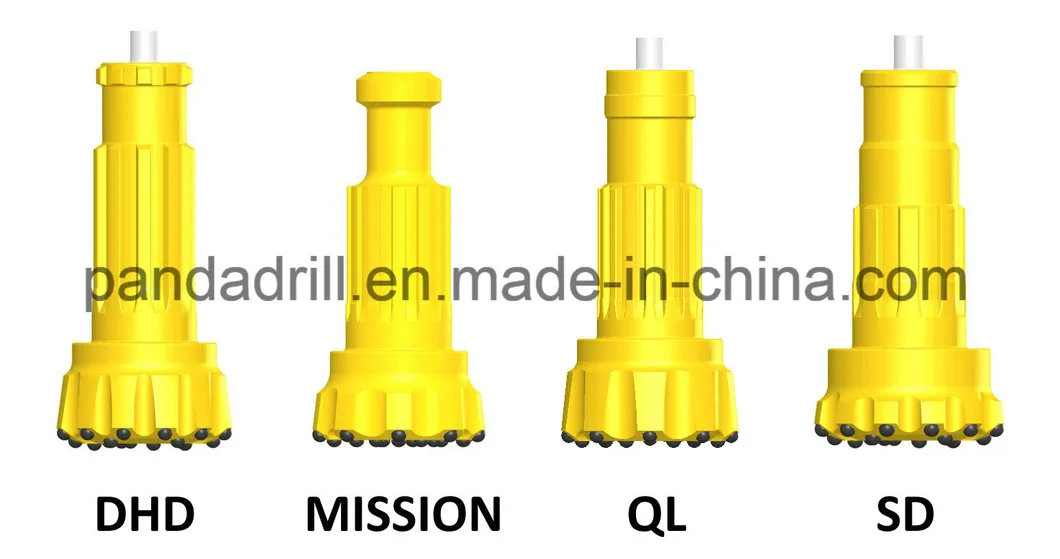
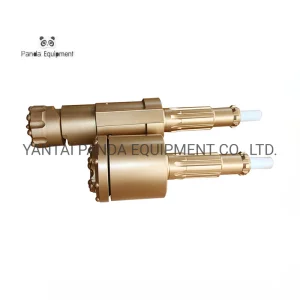
Different Shanks
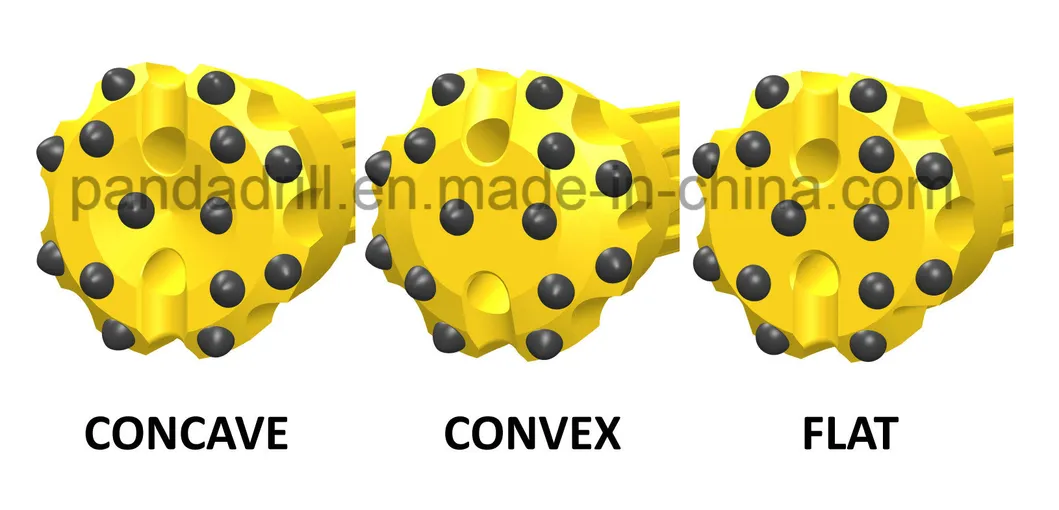
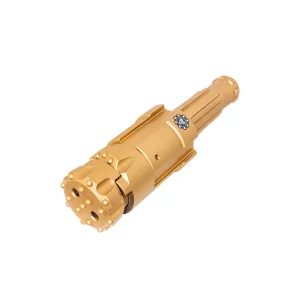
Face Shapes
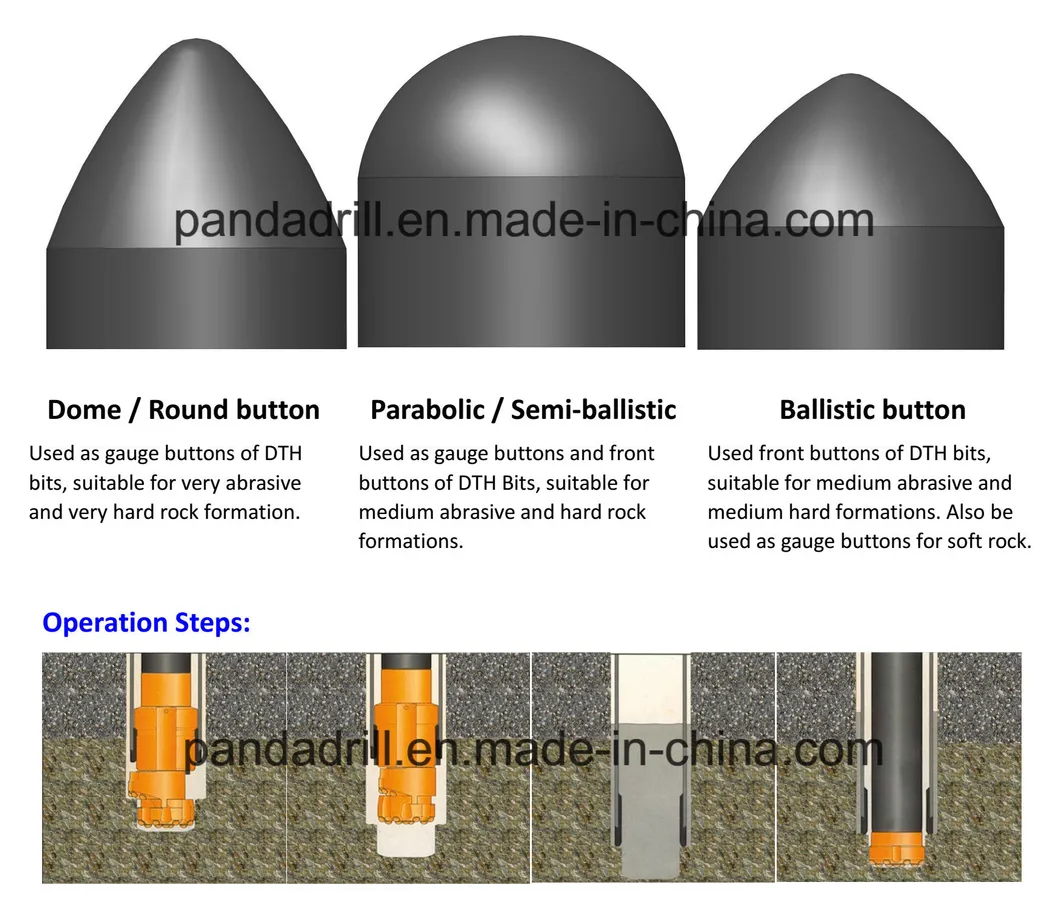
Different Button Shapes
Step A: When drilling starts, the reaming sleeve opens and the borehole range increases to accommodate the casing shoe and tube.
Step B: After drilling through the overburden layer, reverse circulation is applied, the reaming sleeve circles up, and the eccentric bit lifts out.
Step C: The casing can be left in the borehole to prevent collapse during pipe removal or concrete grouting.
Step D: Regular drilling bits can then be used to reach the required depth in the rock stratum.